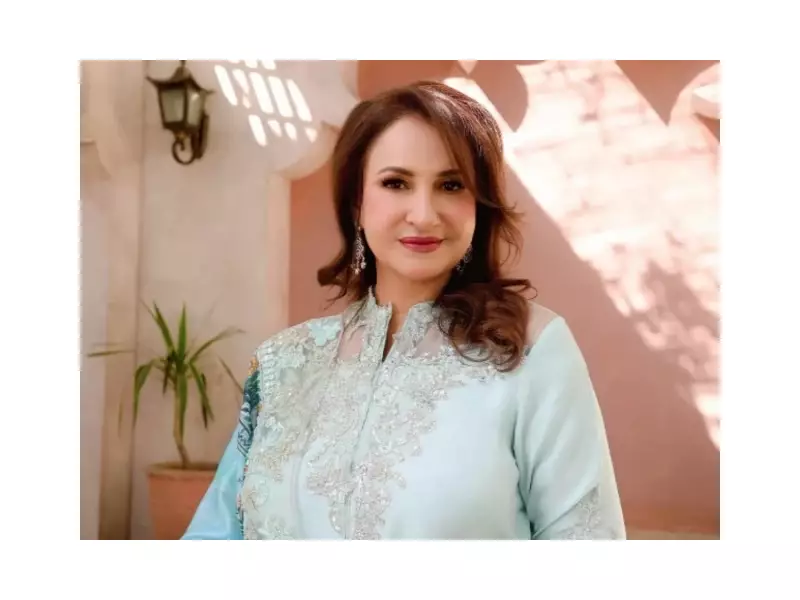
In a candid conversation on PTV Home's popular program Star & Style, esteemed actor Saba Faisal ignited a crucial discussion about the shifting dynamics within Pakistan's entertainment sector. She reminisced about her own learning process, which involved closely observing and seeking advice from senior artists on set. However, Faisal pointed out that this traditional culture of apprenticeship has significantly weakened in today's industry.
A Vanishing Culture of Mentorship
Saba Faisal expressed concern that many emerging actors now enter the field without a firm grasp of acting nuances and are often reluctant to learn from the experience of their predecessors. She noted that advice is frequently perceived as an insult, and correction is mistaken for condescension. Her observations are not isolated. Veteran actor Nadia Afgan has similarly spoken about younger co-stars showing up unprepared, not knowing their lines, and displaying a lack of focus during shoots.
The issue of punctuality was highlighted by senior actor Syed Mohammad Ahmed, known for his role in Cake. He described instances of arriving on time only to wait for nearly eight hours for younger colleagues, labeling punctuality a basic courtesy that is fading away. "Times have changed," he said, echoing Faisal's sentiment. "I have no authority to tell a new artist anything, or that they have been wrong." This reflects a broader unease where two generations work alongside each other but fail to connect and share knowledge effectively.

The Younger Generation's Perspective
While veterans emphasize discipline, the new generation of actors presents a different set of challenges and grievances. Operating in an era of intense social media scrutiny, young actors feel they are under a microscope from day one. This pressure is compounded when criticism comes from their own seniors in a manner that feels dismissive or resentful.
A notable example involved actor Alizeh Shah. After being publicly criticized on television by directors Yasir Nawaz and Naveed Raza for her alleged conduct on the set of Mera Dil Mera Dushman (2020), Shah responded indirectly. She posted an Instagram story stating, "I respect everyone who respects me," and later alluded to experiencing 'on-set abuse' and condescending treatment from seniors. Recently, she issued a final warning to Nawaz for repeatedly mentioning her.
Actor Nazish Jahangir also voiced this sentiment on The Night Show with Ayaz Samoo, stating that guidance from elders can sometimes feel like resentment. "We respect our seniors," she said, "I don't think they should show us a side to them that disappoints us." This indicates that the communication gap is a two-way street, where harsh delivery often overshadows the intended advice.
Bridging the Generational Divide
Amidst the tension, some experienced figures are advocating for a more constructive approach. Veteran actor Rubina Ashraf, of Hazaron Raaste fame, argues that criticism should be logical and helpful. She believes seniors should act as mentors, not judges. Ashraf also acknowledged a systemic hurdle: Pakistan lacks formal training institutions for actors, forcing most newcomers to be self-taught. Despite this, she commended young talent, saying, "young actors are doing remarkably."
This underscores that both generations bring unique value and versatility to Pakistani television and film. The core issue remains a significant gap in communication and mutual understanding. A resolution demands compromise from both sides. Senior artists may need to adopt a more empathetic and less critical tone when sharing their hard-earned wisdom. In turn, junior actors must cultivate openness and respect for the guidance offered, recognizing the experience behind it. The future health of Pakistan's entertainment industry depends on rebuilding this broken bridge between its past and its future.