Momina Iqbal's Social Media Comment Ignites Political Firestorm
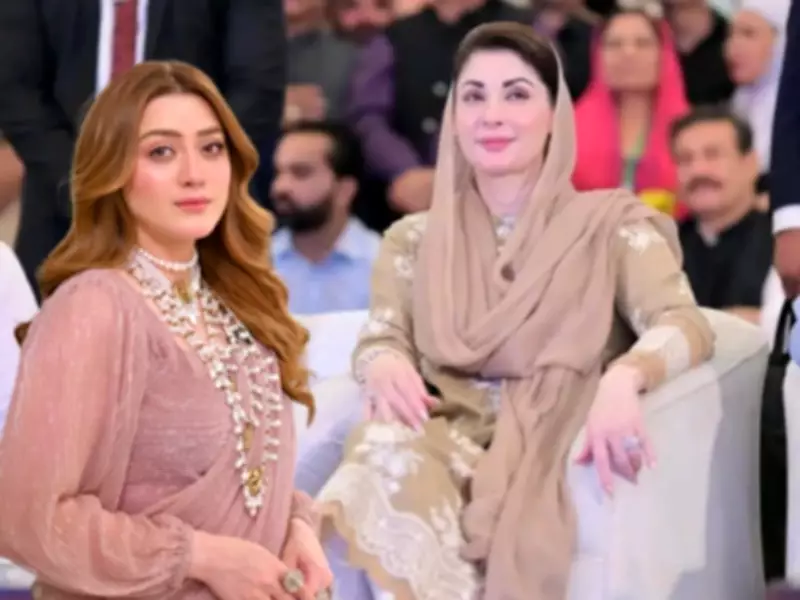
Pakistani actress Momina Iqbal has found herself at the center of a heated political debate after a remark she made on social media went viral. The comment, which suggested that Maryam Nawaz, a senior leader of the Pakistan Muslim League-Nawaz (PML-N), should take charge of Karachi, has sparked widespread discussion across various platforms.
The Viral Post and Its Immediate Impact
In her now-famous post, Momina Iqbal expressed a personal opinion that Maryam Nawaz would be a suitable leader for Karachi, Pakistan's largest city and economic hub. This statement quickly gained traction, amassing thousands of likes, shares, and comments within a short period. The rapid spread of the remark highlights the significant influence of celebrities in shaping public discourse, particularly on sensitive political topics.
The actress's comment has not only captured the attention of social media users but has also drawn reactions from political analysts and party representatives. Many have interpreted the remark as an endorsement of Maryam Nawaz's leadership capabilities, while others view it as a simplistic solution to Karachi's complex governance challenges.

Political Reactions and Broader Implications
The viral nature of Momina Iqbal's statement has prompted responses from various political quarters. Supporters of Maryam Nawaz have welcomed the comment, seeing it as validation of her political stature and potential. Conversely, critics and opponents have questioned the appropriateness of a celebrity making such a politically charged suggestion, arguing that it oversimplifies the city's administrative needs.
This incident underscores the growing intersection between entertainment and politics in Pakistan, where public figures increasingly voice opinions on governance issues. It also reflects the polarized nature of political discourse, where even a casual remark can trigger extensive debate and analysis.
Analysis of Celebrity Influence in Politics
The episode raises important questions about the role of celebrities in political conversations. While some argue that public figures have the right to express their views, others caution against the potential for misinformation or undue influence. The viral spread of Momina Iqbal's comment demonstrates how quickly such statements can amplify, reaching a broad audience and shaping perceptions.
Furthermore, the discussion has extended beyond the initial remark to broader topics, including Karachi's governance structure, the performance of current leadership, and the future political landscape of the city. This indicates how a single social media post can catalyze wider conversations about policy and administration.
Conclusion: A Mirror to Contemporary Discourse
In summary, Momina Iqbal's viral remark about Maryam Nawaz and Karachi serves as a vivid example of how social media can blur the lines between entertainment and politics. The ensuing debate highlights the dynamic nature of public opinion in the digital age, where comments from influential figures can rapidly evolve into significant discussions. As the conversation continues, it remains to be seen what long-term impact, if any, this incident will have on political narratives or public sentiment regarding Karachi's leadership.