For decades, South Asian popular culture promoted a familiar model of masculinity. Whether in cinema, television, or music, the ideal man was often portrayed as emotionally restrained, dominant, and self-assured. Vulnerability was treated as weakness, while toughness and stoicism were celebrated as signs of strength. The popular saying "mard rote nahin" ("men do not cry") captured this expectation perfectly.
The Rise of Havi and Emotional Openness
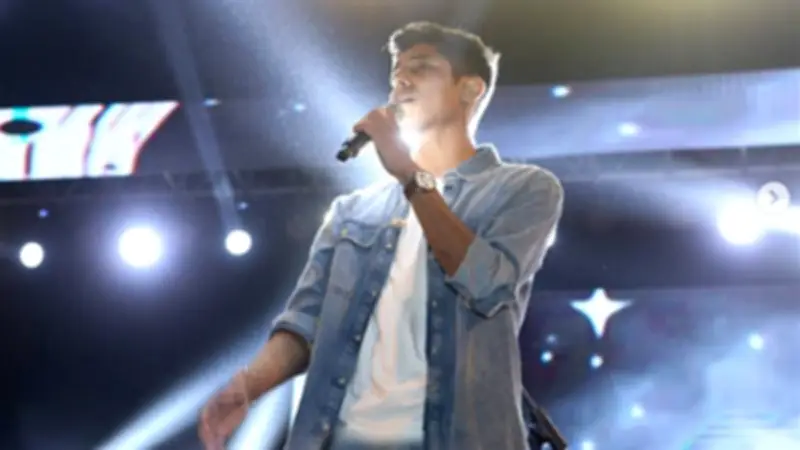
Yet contemporary audiences appear increasingly drawn to a different kind of male figure. The growing popularity of Pakistani singer Havi suggests that many listeners are embracing a version of masculinity that allows emotional openness, longing, and vulnerability to coexist with strength. Havi, whose real name is Abdur Rahman Sajid, has developed a devoted following through performances that foreground emotion rather than bravado. His music often revolves around heartbreak, yearning, and introspection. Rather than presenting himself as invincible, he appears comfortable inhabiting emotional uncertainty. In a cultural environment where men have traditionally been encouraged to suppress visible expressions of sadness, such artistic choices carry significance beyond music itself.
Historical Context of Vulnerability in South Asian Arts
The appeal of emotionally expressive male artists is not entirely new. South Asian poetry and music have long explored themes of love, loss, and longing. Classical ghazal singers, qawwals, and poets frequently gave voice to vulnerability. However, contemporary popular culture has often favoured a more rigid masculine ideal, particularly in mainstream entertainment. Male heroes are expected to demonstrate power through control, aggression, or emotional distance.

In an environment increasingly focused on mental health and personal authenticity, artists who present themselves as emotionally honest appear far more relatable than those performing exaggerated toughness. Havi's public persona offers a contrast to this model. His performances frequently communicate fragility and emotional depth. Lyrics expressing grief, longing, and romantic disappointment are delivered without embarrassment or apology. Instead of concealing vulnerability, the music places it at the centre of the artistic experience.
Resonance with Younger Audiences
This may help explain why his work resonates with diverse audiences. Many listeners, particularly younger generations, have grown increasingly sceptical of traditional gender expectations. Across social media platforms, conversations about mental health, emotional wellbeing, and personal authenticity have become more visible than ever before. In such an environment, artists who present themselves as emotionally honest often appear more relatable than those who perform exaggerated toughness.
The digital age has also transformed relationships between artists and audiences. Fans no longer encounter musicians solely through recordings or televised appearances. Through Instagram, YouTube, and other platforms, audiences gain access to interviews, livestreams, and informal interactions that create a sense of intimacy. This visibility encourages listeners to connect not only with the music but also with the emotional persona of the artist. As a result, contemporary fandom often revolves around perceived authenticity. Fans are drawn to artists who appear sincere, vulnerable, and emotionally accessible.
Redefining Strength and Vulnerability
Havi's popularity reflects this shift. His audience is not responding solely to melodies or lyrics; they are responding to an image of masculinity that feels more emotionally transparent than many conventional celebrity personas. Importantly, emotional openness should not be confused with weakness. Traditional understandings of masculinity often assume that vulnerability and strength are opposites. Yet psychological research increasingly suggests that emotional awareness is itself a form of resilience. The ability to acknowledge sadness, disappointment, or heartbreak requires a different kind of courage than the performance of invulnerability.

This changing attitude can be observed across contemporary culture. Audiences increasingly celebrate male public figures who discuss mental health, emotional struggles, and personal uncertainty. In music particularly, listeners seem willing to embrace artists whose work prioritises introspection over dominance. Such figures challenge the notion that masculinity must be defined through emotional suppression.
Cultural Significance Beyond the Artist
Of course, it would be simplistic to treat any individual artist as a symbol of social transformation. Stage personas are carefully constructed, and audiences often project their own desires and interpretations onto public figures. Whether Havi consciously intends to challenge traditional masculinity is ultimately less important than the meanings listeners derive from his work. What matters is the cultural conversation his popularity helps reveal.
The enthusiastic response to emotionally expressive male performers suggests that many South Asians are reconsidering long-standing assumptions about gender and emotional life. Audiences appear increasingly receptive to models of masculinity that make room for empathy, sensitivity, and vulnerability. Music has always served as a space where private emotions become collective experiences. Through song, feelings that might otherwise remain hidden acquire public expression. In this sense, artists such as Havi perform an important cultural function. They remind listeners that sadness, longing, and emotional openness are not experiences to be concealed but aspects of human life worthy of acknowledgement.
If earlier generations were taught that men should not cry, contemporary audiences seem increasingly willing to listen to men who do.