Pakistan's Education Crisis: A Nation Divided by Inequality
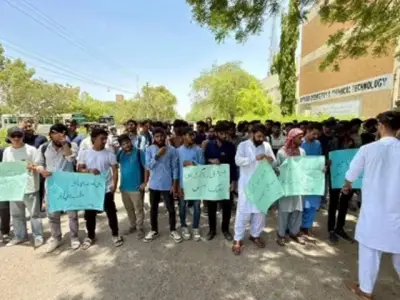
The familiar slogan "education is the backbone of our country" echoes annually in Pakistan, yet the nation's educational landscape remains fractured by deep-seated inequalities. Despite government rhetoric and successive reform proposals, education has failed to become a true pillar of national development, particularly for those outside metropolitan centers like Lahore and Islamabad.
Alarming Statistics and Regional Disparities
Pakistan's education spending stands at approximately 1.7 percent of GDP, among the lowest in South Asia and far below the international average of 4 percent. This chronic underinvestment has produced devastating results: over 22 million children lack access to basic education. The crisis hits hardest in rural Sindh, Balochistan, and South Punjab, where inadequate infrastructure creates formidable barriers to both learning and teacher recruitment.
The Gender Gap and Social Barriers
UNESCO estimates reveal that nearly 12 million girls in Pakistan are out of school, exacerbating the educational divide. Social restrictions, early marriages, and long travel distances suppress female enrollment in rural Balochistan and interior Sindh. In many households, parents face impossible choices about which children to educate, with boys typically receiving preference.

Private-Public School Dichotomy
The chasm between private and public institutions continues to widen dramatically. Elite schools in urban centers offer international curricula and modern facilities, while many public schools struggle with basic amenities like functional restrooms and reliable electricity. This disparity creates two distinct classes of students: one prepared for global opportunities, and another struggling to read simple paragraphs in their native language.
Policy Instability and Systemic Challenges
Frequent political transitions have undermined educational continuity, with new plans announced regularly but implemented inconsistently. Critical areas like teacher recruitment, textbook revisions, and curriculum updates receive short-term attention rather than sustained national investment. This approach prevents meaningful, long-lasting improvements.
Glimmers of Hope and Innovative Solutions
Amid these challenges, several positive developments offer hope:
- Non-governmental organizations including The Citizens Foundation, CARE Foundation, and Hunar Foundation have stepped in to address state shortcomings, providing education and vocational training to thousands in underserved regions.
- Online educational platforms have begun bridging geographical gaps, though limited internet access in rural areas remains a significant obstacle.
The Demographic Imperative
With nearly 60 percent of Pakistan's population under age 25, the stakes could not be higher. Failure to prioritize education risks transforming this demographic dividend into a socioeconomic burden. However, through genuine investment, comprehensive teacher training, and a focus on equity, Pakistan's youth could become the nation's greatest asset.
Education must no longer be treated as an afterthought or political bargaining chip. The question is not whether Pakistan can afford to invest in education, but whether it can afford not to. Sustainable, equitable development depends on making education a true national priority.