

The French Revolution stands as one of history's most dramatic and transformative periods. It was a time of radical social and political upheaval that completely reshaped the nation of France. Beginning in 1789, this powerful movement challenged the very foundations of the old order, sweeping away centuries of tradition and monarchy.
The Spark and the Storm: The Start of an Era
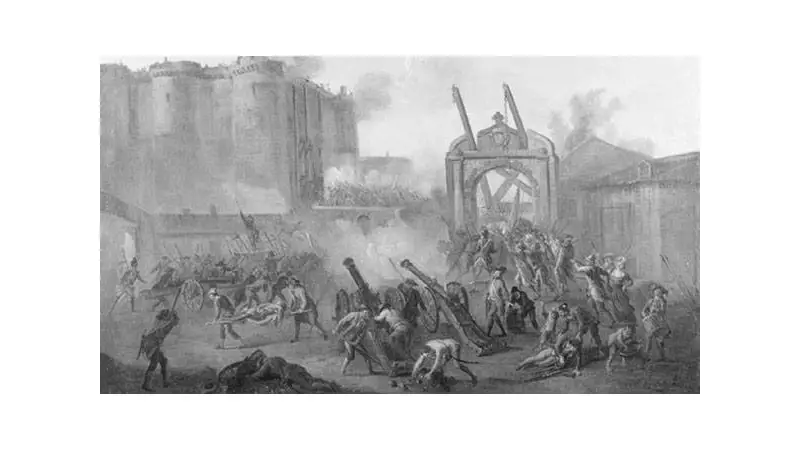
The revolution famously ignited with the storming of the Bastille prison. This event was not just an attack on a building; it was a powerful symbol of the people's rebellion against absolute royal authority. The fall of the Bastille showed that the power of the masses could topple the most坚固的 institutions. This act of defiance led directly to the overthrow of the monarchy, ending the reign of King Louis XVI and Queen Marie Antoinette.
Radical Change and the Reign of Terror
Following the monarchy's collapse, the revolution entered a highly volatile phase. Different radical political factions competed for control, each with its own vision for France's future. This period of intense internal conflict is best known for the Reign of Terror. It was a grim time when thousands of people, deemed enemies of the revolution, were executed by guillotine. The quest for a perfect republic had descended into paranoia and bloodshed.

A Legacy That Echoed Across the Globe
The impact of the French Revolution stretched far beyond the borders of France. It introduced the powerful ideals of liberty, equality, and fraternity to the world. These concepts became the bedrock for modern democracies and inspired countless movements for freedom. The revolution also paved the way for the rise of Napoleon Bonaparte, a military leader who would eventually crown himself emperor. Through his conquests, the revolutionary ideals spread across Europe, forever altering the continent's political and social landscape.
In conclusion, the French Revolution was more than a series of events; it was a powerful force that brought profound political, social, and economic changes. Its legacy continues to influence our understanding of rights, governance, and popular power today.

