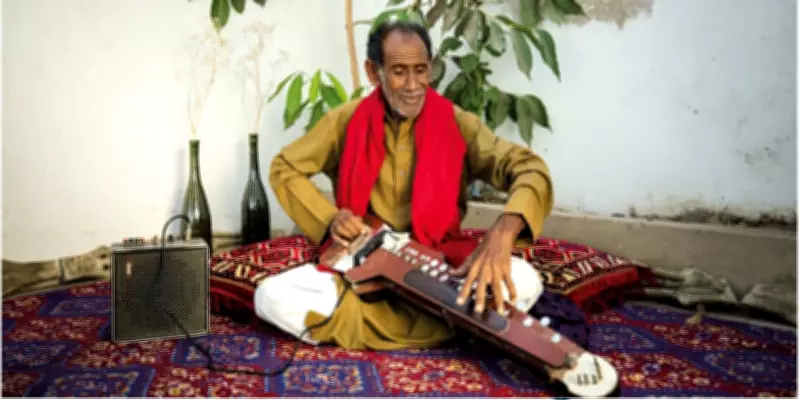
The Music of Makran: A Deep Dive into Balochistan's Rich Cultural Heritage
The music of Makran, a region in Balochistan, Pakistan, stands as a vibrant testament to the area's deep cultural roots and historical significance. This unique musical tradition, often overshadowed in mainstream discourse, offers a profound insight into the lives, struggles, and celebrations of the Baloch people. With its distinctive instruments and soulful melodies, Makran's music serves as a living archive of the region's identity, passed down through generations.
Historical and Cultural Context
Makran's musical heritage is intricately woven into the fabric of its history, dating back centuries to ancient civilizations that traversed this coastal and mountainous area. Influenced by Persian, Arab, and South Asian cultures due to its strategic location along trade routes, the music reflects a rich tapestry of sounds. It has evolved as a means of storytelling, preserving folklore, and expressing communal emotions, from joyous weddings to somber laments. This cultural fusion has endowed Makran with a musical style that is both unique and representative of broader Baloch traditions.
Key Instruments and Musical Styles
The music of Makran is characterized by a variety of traditional instruments, each contributing to its distinctive sound. Prominent among these are the suroz, a bowed string instrument similar to a fiddle, and the damboora, a long-necked lute that produces resonant tones. Percussion instruments like the dhol (a double-headed drum) and chapri (a type of tambourine) provide rhythmic foundations for performances. Musical styles range from energetic dance tunes, often accompanied by the Lewa dance, to melancholic ballads that narrate tales of love, loss, and heroism. These elements combine to create a soundscape that is both evocative and deeply rooted in local customs.

Folk Songs and Oral Traditions
Folk songs form the heart of Makran's musical expression, serving as oral histories that document the region's social and environmental realities. Common themes include:
- Nature and Landscape: Songs praising the rugged beauty of Makran's mountains and coastline.
- Daily Life: Lyrics depicting the hardships and joys of fishing, farming, and pastoral activities.
- Spiritual and Mystical Elements: Incorporation of Sufi poetry and religious themes, reflecting the area's Islamic influences.
These songs are typically performed in the Balochi language, with poetic structures that emphasize rhythm and emotion, ensuring their transmission across generations without written records.
Modern Challenges and Preservation Efforts
Despite its cultural importance, the music of Makran faces significant challenges in the modern era. Factors such as urbanization, migration, and the influence of global media have led to a decline in traditional practices among younger generations. Additionally, limited infrastructure and resources in Balochistan hinder opportunities for musicians to perform and record. However, efforts are underway to preserve this heritage:
- Documentation Projects: Initiatives by cultural organizations to archive songs and instruments through audio and video recordings.
- Educational Programs: Workshops and school curricula that introduce Makran music to youth, fostering appreciation and skills.
- Festivals and Performances: Events within Pakistan and internationally that showcase Makran's artists, promoting awareness and economic support.
These endeavors aim to safeguard the music's authenticity while adapting to contemporary contexts, ensuring its survival for future generations.

Significance in Pakistani Culture
The music of Makran holds a vital place in Pakistan's broader cultural mosaic, contributing to the nation's diversity and artistic richness. It offers a counter-narrative to homogenized portrayals of Pakistani culture, highlighting regional nuances and historical depth. By celebrating Makran's musical traditions, Pakistan can enhance its cultural diplomacy and tourism, attracting interest from scholars and enthusiasts worldwide. Moreover, it fosters a sense of pride and identity among Baloch communities, reinforcing the importance of preserving indigenous arts in an increasingly globalized world.
In summary, the music of Makran is more than mere entertainment; it is a profound expression of Balochistan's heritage, resilience, and creativity. Through continued support and recognition, this musical tradition can thrive, enriching Pakistan's cultural landscape and inspiring generations to come.