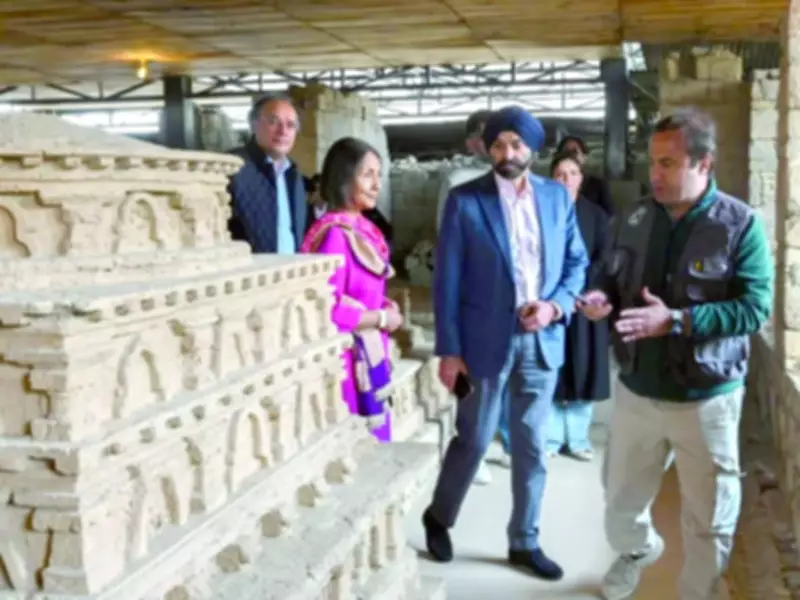
The President of the World Bank recently made a significant visit to a prominent heritage site in Pakistan, marking a notable engagement with the country's cultural and historical assets. This visit underscores the growing international interest in Pakistan's rich heritage and the potential for collaborative efforts in preservation and development.
Engagement with Pakistani Officials
During the visit, the World Bank chief held detailed discussions with Pakistani officials, including representatives from the government and local authorities. The talks focused on the current state of the heritage site, ongoing conservation projects, and the challenges faced in maintaining such historical landmarks. Officials highlighted the importance of preserving these sites not only for their cultural value but also for their potential to boost tourism and economic growth in the region.
Focus on Cultural Preservation
The discussions emphasized the critical need for sustainable preservation strategies. The World Bank president expressed interest in supporting initiatives that protect and promote Pakistan's cultural heritage. This includes potential funding for restoration work, infrastructure improvements, and community-based programs that involve local populations in conservation efforts. The aim is to ensure that these sites remain accessible and well-maintained for future generations while contributing to local livelihoods.

Potential for International Support
This visit signals a positive step towards enhanced international cooperation in cultural preservation. The World Bank's involvement could lead to new projects and investments aimed at safeguarding Pakistan's historical sites. Such collaborations are seen as vital for addressing issues like environmental degradation, urbanization pressures, and insufficient funding that often threaten heritage conservation.
Impact on Tourism and Economy
By focusing on heritage sites, the visit also highlights their role in Pakistan's tourism sector. Well-preserved cultural landmarks can attract both domestic and international visitors, generating revenue and creating jobs. The World Bank's support could help develop better facilities, marketing strategies, and educational programs to enhance the visitor experience and promote sustainable tourism practices.
Overall, the World Bank chief's visit to Pakistan's heritage site reflects a broader commitment to cultural preservation and economic development. It opens doors for future partnerships that could benefit Pakistan's cultural landscape and contribute to its socio-economic progress.