Cartoonist's Satire Ignites Media Freedom Debate in Pakistan
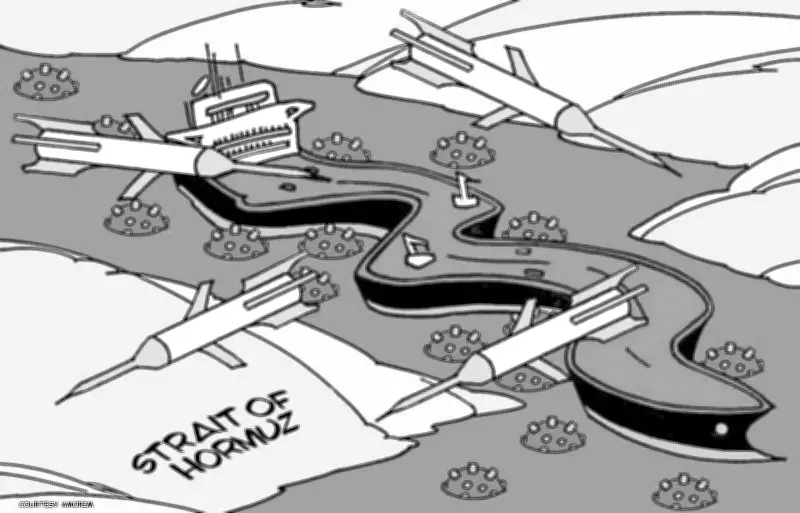
A recent political cartoon published in a national newspaper has sparked a significant debate on media freedom and censorship in Pakistan. The cartoon, which uses satire to comment on current political affairs, has drawn both praise and criticism from various segments of society, highlighting ongoing tensions over democratic expression.
Reactions to the Cartoon
Supporters of the cartoon argue that it represents a legitimate form of artistic expression and political commentary, essential for a healthy democracy. They emphasize that satire has long been a tool for holding power to account and fostering public discourse. On the other hand, critics have labeled the cartoon as offensive and potentially inflammatory, calling for stricter regulations on media content to prevent what they see as disrespect or misinformation.
Implications for Media Freedom
This incident has reignited discussions about the state of media freedom in Pakistan, with advocates warning against increasing censorship that could stifle dissent and creativity. Experts note that such debates are not new, as Pakistan has a complex history with media regulation, balancing security concerns with the right to free speech. The cartoon serves as a case study in how artistic works can challenge societal norms and provoke necessary conversations about governance and accountability.

Broader Context and Future Outlook
In the broader context, this debate reflects global trends where media freedom is under scrutiny, with many countries grappling with similar issues of censorship versus expression. As Pakistan continues to navigate its democratic journey, the outcome of this controversy may influence future policies on media and art, potentially shaping the landscape for journalists and cartoonists alike. Observers suggest that fostering an environment where diverse voices can be heard without fear of reprisal is crucial for national progress and social harmony.