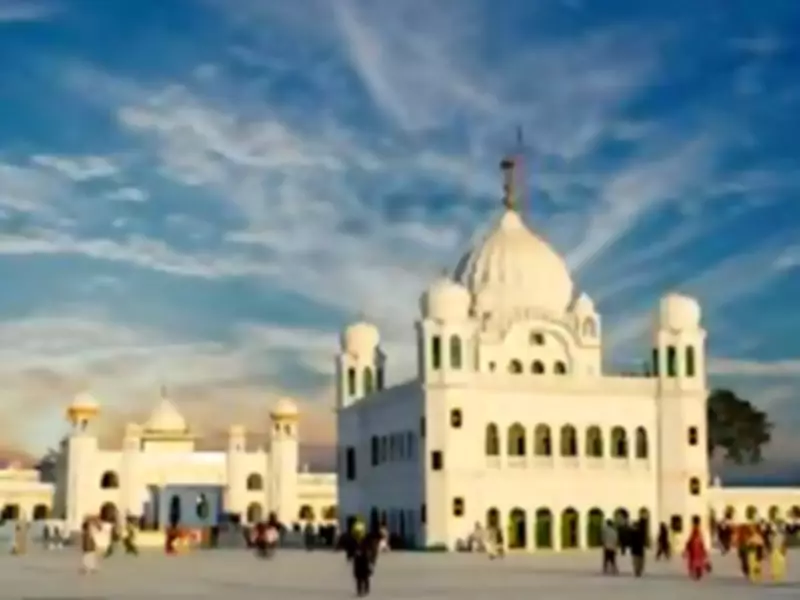
The historic Sikh gurdwara in Makhdoom Pur Pahoran, located in the Khanewal district of Punjab, continues to stand as an important symbol of Sikh heritage, interfaith harmony, and cultural history. This centuries-old site is associated with Baba Guru Nanak Dev Ji and holds deep spiritual significance for the Sikh community.
Historical and Spiritual Significance
According to local traditions, Guru Nanak stayed at this location during his journey from Delhi to Multan in the 15th century, making it a revered place for Sikh pilgrims. Before the partition of the Indian subcontinent in 1947, large numbers of Sikh devotees regularly visited the gurdwara. After partition, following the migration of the Sikh population, parts of the building came under government use and are currently functioning as a public school.
Architectural Features
Locals recall that the gurdwara once included a historic well, guest houses, and a pond used for bathing. These features are frequently mentioned in oral histories and accounts of pilgrims who visited the shrine over the years.

Continued Pilgrimage
Despite the passage of time, Sikh pilgrims from India, as well as from countries including Australia, the United States, and several European nations, continue to visit the site to pay homage and reconnect with their spiritual heritage.
The Town of Makhdoom Pur Pahoran
Makhdoom Pur Pahoran itself is regarded as an ancient town known for its cultural and religious importance. The surrounding markets historically served as major commercial centres for cloth, handicrafts, and agricultural products. The town has long been recognized for its khaddi, khaddar, bedsheets, and textile industry.
Local Perspectives
Local trader Nauman Ansari, whose family has been associated with the khaddi and khaddar business since before the creation of Pakistan, said the gurdwara holds immense spiritual value for Sikh visitors from around the world. "They come here with deep devotion and respect because this place is associated with Baba Guru Nanak," he said.
District Education Officer (Elementary) Ghulam Murtaza Shakir noted that the town historically had five major markets where Sikh, Hindu, and Muslim traders conducted business side by side. "The market near the gurdwara reflected religious harmony and commercial activity. Sikh pilgrims visiting the shrine used to buy clothes, gifts, and daily-use items from these markets," he explained.
Another local elder and trader, Javed Ansari, said Guru Nanak is believed to have visited the area during his missionary journeys and delivered messages of peace, brotherhood, truth, and humanity to local residents.