Saudi designer and artist Ahmed Bobah has carved a distinctive path in the Kingdom's rapidly evolving creative scene by reinterpreting Saudi identity through a modern lens. Speaking to Arab News, Bobah emphasized that his work is not merely about being unconventional for its own sake but stems from a deep understanding of tradition. He stated, 'I work hard to understand the rules and the context before I try to break them. A real departure has to mean something. Otherwise it’s just a cheap bid for attention.'
Anchored in Identity and Memory
Bobah’s creative process is rooted in his personal connection to Saudi Arabia—its identity, childhood memories, and beloved places. He views the core idea as the compass guiding every project. Balancing artistic risk with cultural fidelity, he begins from a place of love for the Kingdom and conviction in its cultural worth. Taking feedback seriously has shaped many of his works, and he measures success by whether his creations are worthy of the country they represent.
Internal Battles and External Encouragement
The toughest challenges in Bobah's career have been internal—disciplining himself to constantly learn and improve. While his unconventional ideas attracted criticism, he received even more encouragement. His attachment to Saudi Arabia gave him the resolve to persist and contribute to the local design landscape. He draws inspiration from Saudi heritage while studying how global creatives leverage their local roots, insisting that genuine global standing comes from honest self-expression, not imitation.

Signature Works and Recognition
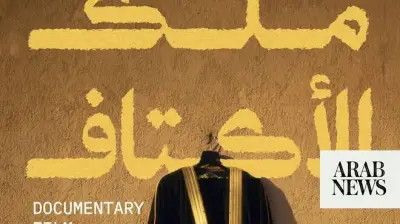
Bobah highlighted two career-defining pieces: the 'Bisht Figurine,' inspired by Crown Prince Mohammed bin Salman, the architect of Vision 2030, and 'Saudi Time,' which reimagined the national emblem of crossed swords and a palm tree. Both works resonated widely with media and social platforms, becoming among his most influential. He also secured first place in his category at the Saudi Cup design competition, organized by the Ministry of Culture, underscoring the growing institutional support for creatives in the Kingdom.
Living Idea, Not Decoration
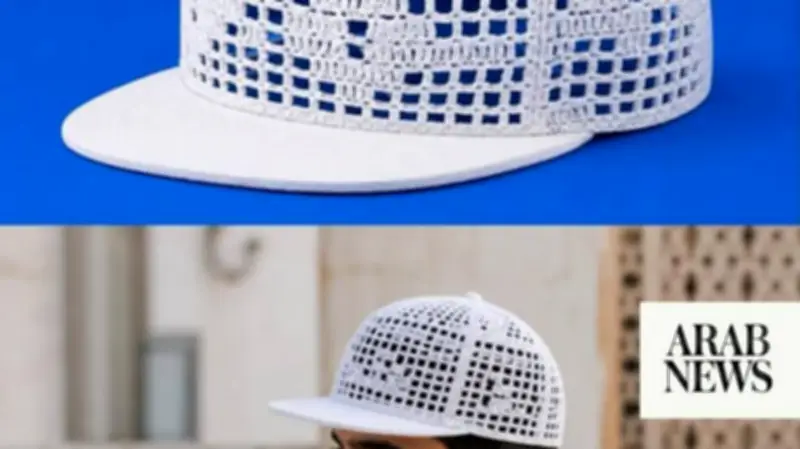
Bobah described Saudi Arabia’s design and fashion sector as entering an extraordinary growth phase, bolstered by national backing. He refuses to treat Saudi identity as a mere decorative motif to be copied; instead, he sees it as a living idea open to renewal. 'I try to drop the local symbol into a contemporary object,' he explained, 'Somewhere between the authentic and the strange, between what we know and what no one has seen before.' After years of designing logos, he now seeks to explore new creative territories, driven by a restless desire to innovate.