A high-stakes trade agreement between India and the United States reportedly fell apart last year due to a simple, yet critical, diplomatic misstep: a telephone call that was never made. According to a senior US commerce official, the deal was ready for closure, pending a direct conversation between Prime Minister Narendra Modi and then-President Donald Trump.
The Crucial Conversation That Never Happened
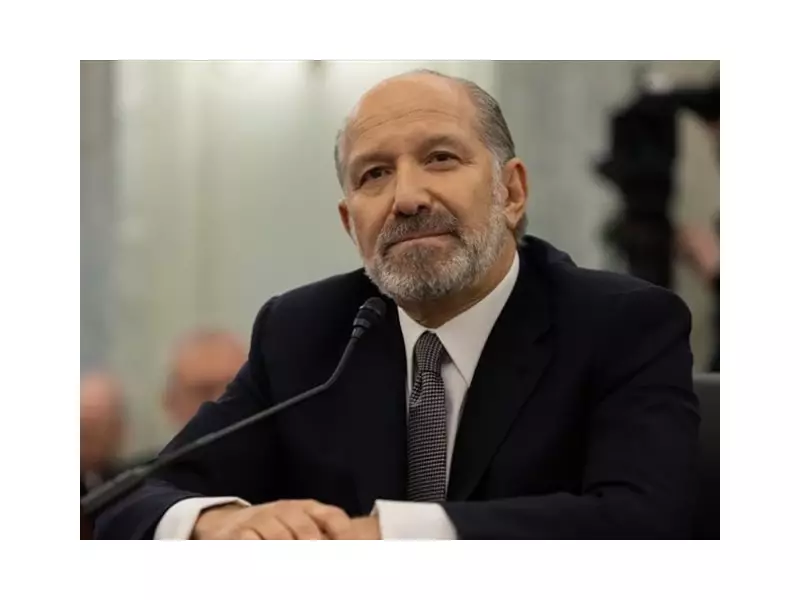
Commerce Secretary Howard Lutnick disclosed the details in a recent interview on the 'All-In' podcast. He stated that the framework for the pact was fully negotiated. "It's all set up and you have got to have Modi call the President. And they were uncomfortable doing it," Lutnick revealed. "So Modi didn't call." This communication breakdown ultimately led to the collapse of the potential agreement, as confirmed by a Reuters report citing an Indian official involved in the talks.
The Indian side, according to sources, feared that a one-sided conversation could put Prime Minister Modi in a difficult position without guaranteed reciprocal concessions from the US.

Escalating Tariffs and Economic Fallout
The failure of these talks had immediate and severe economic consequences. In August of last year, President Trump doubled tariffs on certain Indian goods to 50%, marking one of the highest rates globally. This included a specific 25% levy imposed in retaliation for India's continued purchases of Russian oil.
The pressure has continued to mount. This week, Trump issued a fresh warning, indicating that tariffs could rise even further unless India curbs its imports of Russian crude. This threat contributed to pushing the Indian rupee to a record low and alarmed investors who were anticipating progress in bilateral trade negotiations.
Stalled Negotiations and An Elusive Deal
Despite the setback, India has not abandoned its pursuit of a trade agreement. Lutnick added that New Delhi is still seeking a tariff rate that falls between the offers Washington previously made to Britain and Vietnam. However, that particular offer has now expired, leaving the path forward uncertain.
The Indian trade ministry has not yet provided an official comment on Lutnick's remarks. The revelation underscores how delicate diplomatic protocols and direct leader-level engagement can be pivotal in finalizing major international agreements, with their absence capable of unraveling months of complex negotiations.