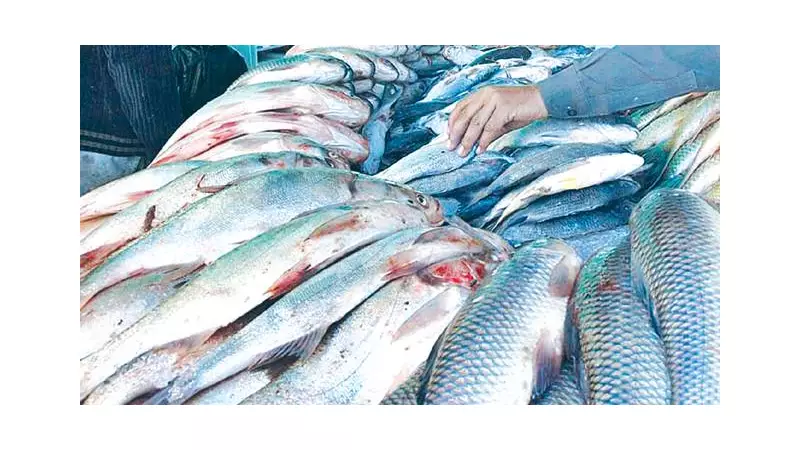
Pakistan's Seafood Exports to China Surge to $255 Million in 2025
Pakistan's seafood exports to China have continued their impressive growth trajectory in 2025, reaching a remarkable total of nearly $255 million, according to the latest data released by the General Administration of Customs of China (GACC). This significant increase underscores the strengthening trade relationship between the two nations and highlights Pakistan's expanding role in the global seafood market.
Sustained Demand Drives Export Growth
The upward trend in exports has been primarily fueled by sustained and growing demand for a variety of seafood products within Chinese markets. Frozen fish remains the cornerstone of Pakistan's seafood exports to China, contributing approximately $64.6 million to the overall export value. This category continues to dominate as Chinese consumers and industries show a consistent appetite for high-quality frozen fish from Pakistan.
In addition to frozen fish, cephalopods have emerged as a key growth pillar. Exports of frozen cuttlefish and squid reached nearly $31 million, while frozen octopus exports rose to almost $12 million. These products are increasingly favored by catering chains and ready-to-cook seafood processors in China due to their versatility and compatibility with modern cold-chain distribution systems.

Geographic Expansion and Market Diversification
China Customs data reveal that Pakistan's seafood exports are not only growing in value but also expanding geographically. The southern province of Guangdong stands out as the largest destination by both value and volume, importing 8.48 million kilograms worth $15.7 million. Other major coastal and metropolitan entry points include:
- Shandong and Beijing, each exceeding 7 million kilograms in imports.
- Shanghai, Tianjin, and Zhejiang, which also recorded substantial volumes.
Notably, smaller but significant shipments were recorded in inland provinces such as Sichuan, Yunnan, Guizhou, and Chongqing. This suggests a widening geographic reach for frozen seafood distribution, supported by China's expanding cold-chain logistics infrastructure, which enables efficient transport to regions far from coastal areas.
Shift Towards Higher Value-Added Products
Pakistan's seafood export basket has diversified beyond traditional frozen fish, reflecting broader consumption channels and evolving demand from China's foodservice and processing industries. In addition to core frozen seafood, Pakistan exported roughly $14.4 million each in two higher value-added categories classified by China Customs as "fish" and "fish products." This indicates a gradual shift toward processed seafood lines, aligning with China's expanding market for convenience foods, e-commerce distribution, and ready-to-eat seafood products.
Affordable pelagic fish, such as frozen sardines, sardinella, brisling, or sprats, also performed strongly, with imports totaling around $14.9 million. These products are supported by household consumption and demand from mass-market food manufacturers in China, highlighting the diverse applications of Pakistan's marine resources.
Factors Behind the Growth
Industry analysts attribute the overall growth in Pakistan's seafood exports to China to several key factors:

- Improved compliance with Chinese food safety requirements, which has enhanced the credibility and reliability of Pakistani seafood products.
- Expanded approvals for Pakistani processing facilities, allowing more exporters to meet China's stringent import standards.
- Competitive pricing supported by Pakistan's abundant marine resource base, making its seafood attractive in the Chinese market.
- Investment in cold-chain logistics and streamlined customs procedures, which have facilitated higher volumes and more efficient trade operations.
This growth trajectory not only boosts Pakistan's economy but also strengthens bilateral trade ties with China, positioning Pakistan as a reliable and growing supplier in the global seafood industry.