Senior officials from Pakistan's National Tariff Commission (NTC) have provided crucial assurances to the business community, stating that legal protections for local manufacturers will remain firmly in place even as the government pursues a policy of gradual tariff reduction.
NTC Outlines Gradual Approach to Tariff Rationalization
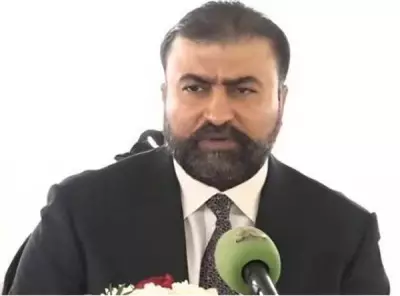
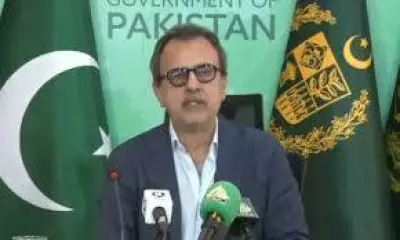
Addressing a meeting at the Lahore Chamber of Commerce and Industry (LCCI), NTC Secretary Khizar Hayat clarified the government's strategy. He confirmed that preparations for the upcoming federal budget are underway, with tariff-related recommendations to be finalized after stakeholder consultations.
Hayat emphasized that the National Tariff Policy 2025-30 envisions a gradual five-year process for reducing customs duties, not a sudden, one-off exercise. This measured approach is designed to give domestic industries ample time to adjust to the changing trade environment.

The core objective, he explained, is to eliminate distortions, tariff anomalies, and unnecessary concessions by removing additional and regulatory duties. He was quick to add that this policy is not intended to encourage imports but to create a more rational and predictable tariff structure.
Legal Safeguards Remain Fully Operational
A key message from the NTC delegation was the continued availability of all legal protection mechanisms for Pakistani industry. Secretary Hayat explicitly stated that tools like anti-dumping, countervailing, and safeguard measures remain fully accessible to shield local producers from unfair international competition.
He cited a concrete example, informing participants that anti-dumping duties on double-sided coated bleach board have been in effect since January 7, providing significant relief to the local paper industry. Hayat affirmed that the NTC operates strictly within the legal framework, even as some cases remain under judicial review.
LCCI President Calls for Nuanced, Sector-Specific Policy
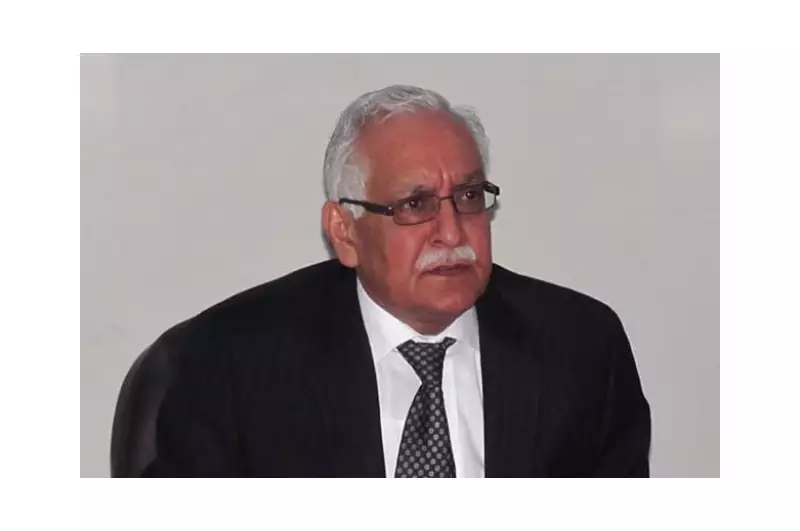
LCCI President Faheemur Rehman Saigol, while welcoming the NTC delegation, offered cautious support for the National Tariff Policy. He stated that if implemented carefully, the policy could support industrial growth, but warned that hasty tariff cuts could severely harm local manufacturers.
Saigol highlighted a critical issue: the absence of clear tariff distinctions between raw materials, semi-finished, and finished goods. This lack of clarity, he argued, creates unfair competition and discourages export-led growth by making value addition less attractive.
He proposed a detailed, sector-wise approach to tariff reform. His recommendations included:
- Imposing a zero percent customs duty on raw materials not produced locally to reduce input costs.
- Maintaining protective duties on finished goods for a minimum of two years to allow domestic industries to stabilize.
- Providing time-bound protection for locally produced raw materials to promote value addition within Pakistan, while ensuring all measures remain compliant with the country's international commitments, including those with the IMF.
The meeting underscored the ongoing dialogue between policymakers and the business community on shaping a trade policy that protects domestic interests while moving towards greater economic integration.