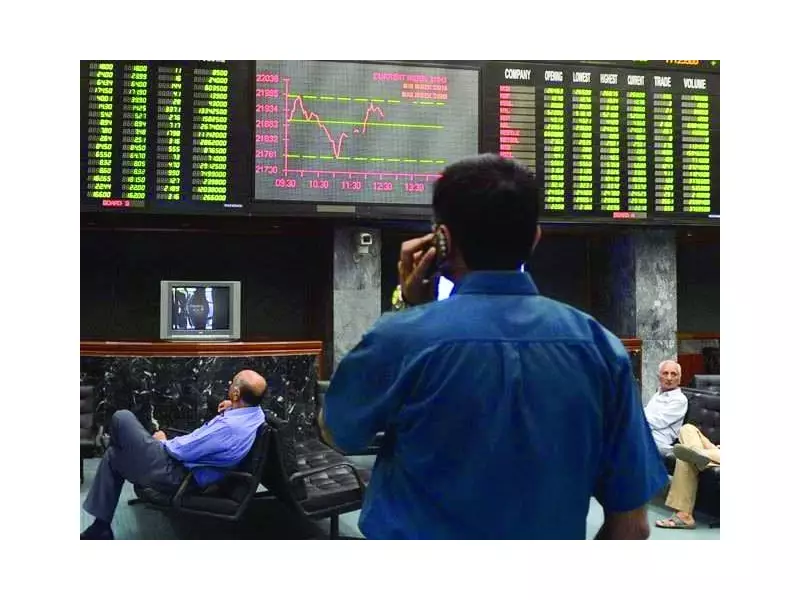
The historic bull run at the Pakistan Stock Exchange (PSX) came to a sharp halt on Tuesday, as investors opted to cash in on recent gains. The benchmark KSE-100 index witnessed a significant correction, shedding over 1,100 points during the trading session.
A Sudden End to the Record Rally
After a period of sustained growth that saw the market reach unprecedented heights, sentiment shifted decisively. The KSE-100 index, which had been flirting with record levels, experienced a steep decline. It closed at 73,960 points, marking a substantial drop from the previous day's close. This represented a fall of 1.57%, effectively putting an end to one of the most remarkable rallies in recent PSX history.
The trading session was characterized by heavy selling pressure across major sectors. Market analysts identified the primary driver as profit-taking, where investors sell securities that have appreciated to lock in their gains. This behavior is common after a prolonged period of market growth, as participants look to secure their returns.

Key Factors Behind the Market Correction
Several factors contributed to the shift in market dynamics. While profit-taking was the immediate catalyst, underlying concerns also played a role in dampening investor enthusiasm. The absence of fresh, positive triggers left the market vulnerable to a correction after its rapid ascent.
Analysts pointed out that the market had been trading at elevated valuations following its record-breaking performance. This made it susceptible to a pullback. The lack of new catalysts meant that the momentum could not be sustained indefinitely, leading to the natural market cycle of correction after a strong rally.
Arif Habib Limited, a leading brokerage firm, noted the market's overbought conditions in their commentary. They highlighted that the KSE-100 had been on a continuous upward trajectory, and the correction was a healthy consolidation phase. Such phases are considered normal and necessary for long-term market stability.
Market Reaction and Future Outlook
The day's trading volume and value reflected the cautious mood. While activity remained, it was overshadowed by the dominant selling trend. The sharp decline served as a reminder of the inherent volatility in equity markets, even during bull runs.
Looking ahead, market experts suggest that the PSX's future direction will depend on a mix of local and international factors. Key influences will include:
- Progress on the International Monetary Fund (IMF) program and related economic reforms.
- Corporate earnings results for the ongoing quarter.
- Stability in the currency and foreign exchange reserves.
- Global commodity prices and geopolitical developments.
The end of the bull run does not necessarily signal the start of a prolonged bear market. Instead, it is widely viewed as a technical correction and a period of consolidation. This allows the market to absorb its recent gains and build a stronger base for future movement. Investors are now keenly watching for new positive developments that could reignite buying interest and set the direction for the next phase.