President Zardari Calls for Modernization of Rail Freight System
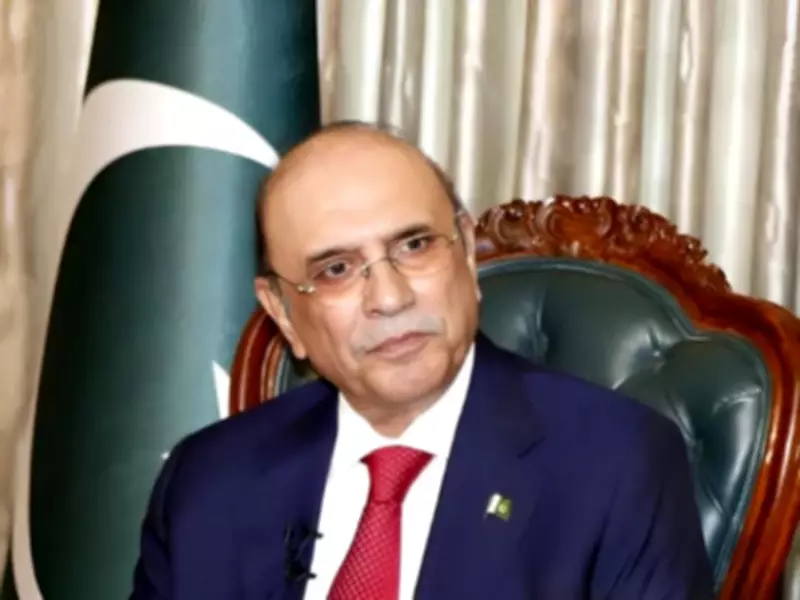
President Asif Ali Zardari has emphasized the urgent need to modernize Pakistan's rail freight infrastructure. This initiative aims to enhance the country's logistics capabilities and support economic development.
Key Objectives of the Modernization Plan
The proposed modernization focuses on several critical areas to improve the efficiency and reliability of rail freight services.
- Upgrading existing rail tracks and signaling systems to ensure smoother operations.
- Introducing advanced freight wagons and locomotives to increase carrying capacity.
- Implementing digital tracking and management systems for better cargo monitoring.
Economic and Strategic Benefits
Modernizing the rail freight system is expected to yield significant economic and strategic advantages for Pakistan.

Boost to Trade and Commerce: Improved rail logistics will facilitate faster and cheaper movement of goods, benefiting industries such as agriculture, manufacturing, and textiles. This can reduce transportation costs and enhance export competitiveness.
Environmental Sustainability: Rail transport is more fuel-efficient and eco-friendly compared to road transport. By shifting freight to railways, Pakistan can lower carbon emissions and contribute to environmental conservation efforts.
Challenges and Implementation Strategies
While the modernization plan holds promise, it faces several challenges that need to be addressed for successful execution.
- Funding and Investment: Securing adequate financial resources from both public and private sectors is crucial for infrastructure upgrades.
- Technological Integration: Adopting modern technologies requires training and capacity building for railway staff.
- Policy Coordination: Effective collaboration between federal and provincial governments is essential to streamline implementation.
President Zardari has urged stakeholders to work together to overcome these hurdles and realize the vision of a modernized rail freight network.