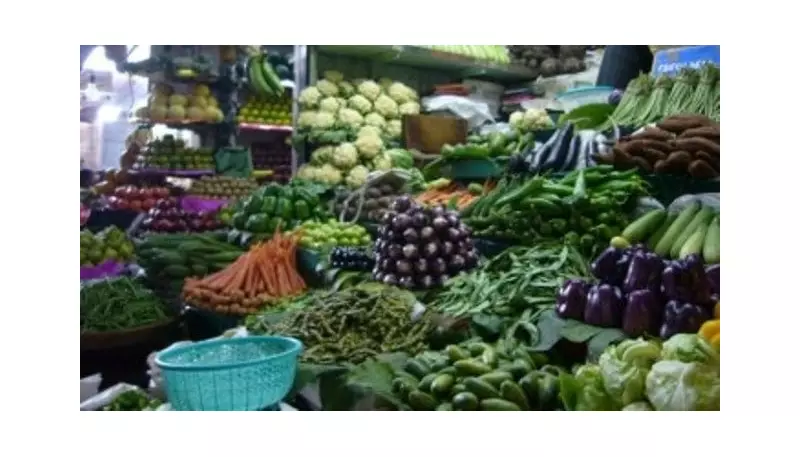
Pakistani consumers are being systematically denied relief from declining food prices, with retailers and wholesalers refusing to pass on benefits despite official claims of market improvements. A comprehensive market survey has exposed the stark reality that while authorities celebrate decreasing prices, ordinary citizens continue to bear the burden of inflated costs for essential commodities.
Official Claims Versus Market Reality
The situation has created a troubling disconnect between government announcements and ground realities. While official data suggests significant price reductions in key food items, actual market surveys tell a different story. Consumers across major cities report minimal to no relief in their daily grocery expenses, raising serious questions about the effectiveness of price monitoring mechanisms.
The market survey conducted this week revealed that retailers are maintaining old, higher prices despite wholesale rates showing considerable improvement. This practice has become particularly prevalent in urban centers where competition is less intense and monitoring more challenging. The gap between wholesale and retail prices has widened significantly, indicating that middlemen and retailers are absorbing the benefits rather than passing them to consumers.

Critical Commodities Affected
Several essential food items show particularly alarming disparities between official price lists and actual market rates. Tomatoes, which have seen substantial wholesale price reductions, continue to be sold at premium rates in most retail markets. Similarly, onions, potatoes, and other vegetables that should be more affordable according to official data remain stubbornly expensive for end consumers.
The situation extends beyond fresh produce to include staple items like flour, sugar, and cooking oil. Despite government assurances of price stability in these essential commodities, market checks confirm that retailers are resisting downward price adjustments, citing various excuses including transportation costs, storage expenses, and alleged supply chain issues.
Consumer Frustration Mounts
Ordinary Pakistanis express growing frustration with the situation. Many consumers report that they have noticed government announcements about falling prices but see no reflection of these changes in their local markets. This has led to widespread skepticism about official price control measures and their implementation.
"We hear about price reductions on television and in newspapers, but when we go to the market, we find the same high prices," said Muhammad Asif, a regular shopper at Sunday Bazaar. "There seems to be no mechanism to ensure that these benefits actually reach the people who need them most."
The problem appears most acute in middle and lower-income neighborhoods where consumers have fewer shopping alternatives and less bargaining power. In affluent areas with more competition and better-informed consumers, some price adjustments have been observed, though still not matching the scale of wholesale reductions.
Systemic Failures in Price Monitoring
Experts point to several systemic issues that allow this situation to persist. Inadequate market monitoring, weak enforcement mechanisms, and limited consumer awareness all contribute to the problem. Price control authorities often lack the resources and manpower to effectively monitor thousands of retail outlets across cities.
The current crisis highlights the need for more robust price monitoring systems and stricter enforcement of consumer protection laws. Without meaningful intervention, the benefits of any agricultural improvements or policy changes will continue to be absorbed by intermediaries rather than reaching the intended beneficiaries - the consumers.
Consumer protection agencies have acknowledged the issue but cite practical challenges in addressing it comprehensively. The scale of the retail sector and the mobility of price violations make consistent enforcement difficult, allowing unscrupulous retailers to maintain artificially high prices despite market improvements.

As the gap between official claims and market reality widens, calls for more effective consumer protection measures are growing louder. Without concrete action to ensure price benefits reach end consumers, public trust in government price control mechanisms continues to erode, exacerbating the financial strain on households already struggling with economic challenges.