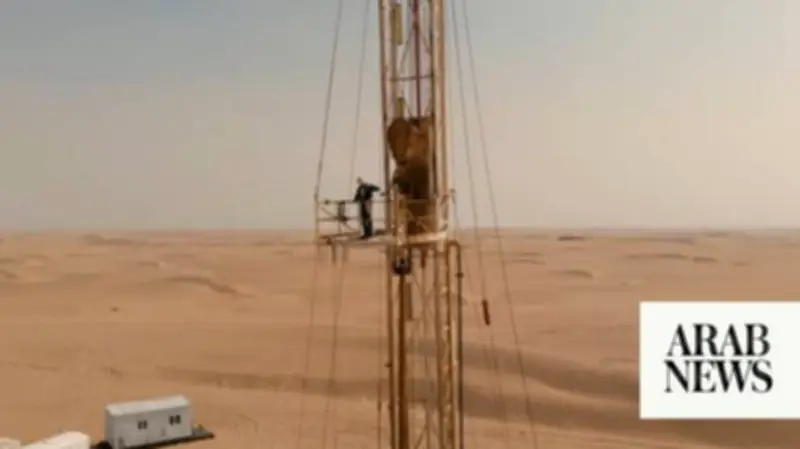
Safer Exploration & Production Operations Co. (SEPOC), Yemen’s largest oil and gas producer, is technically ready to resume liquefied natural gas (LNG) exports as soon as the government gives the green light and security conditions stabilize, according to CEO Salem Kaiti. In an interview with Asharq Al-Awsat, Kaiti emphasized that any restart would be gradual, following the rehabilitation and maintenance of selected wells and facilities that have been idle during the conflict.
Current Production Levels and War Impact
Kaiti revealed that Safer currently produces about 15,000 barrels of oil per day and 1.6 trillion cubic feet of natural gas, down from pre-war levels of approximately 32,000 barrels per day and 2.2 trillion cubic feet. He attributed the decline to the suspension of development, drilling, and exploration activities, as well as the departure of several foreign companies from Yemen’s energy sector since the war began.
The company has also faced natural depletion of mature fields, weak maintenance programs, and halted field-development programs. Despite these challenges, Safer has managed to maintain operations in the oil-producing governorate of Marib, preventing significant deterioration of critical facilities.

Plans for Compressed Natural Gas and Shale Oil
Safer is studying a strategic project to develop compressed natural gas (CNG) based on methane as a lower-cost alternative for transportation fuels and household cooking gas. Kaiti noted that Yemen possesses substantial methane reserves, but the project would require significant investment in infrastructure, transportation networks, and distribution stations.
In addition, the company is examining opportunities in unconventional oil resources, including shale oil. Preliminary studies by oilfield services company Schlumberger indicated promising signs of significant reserves, Kaiti said. However, confirming those estimates and developing the resource commercially would require advanced technologies and partnerships with specialized international companies.
Maintaining Operations During Wartime
Kaiti stressed that Safer has operated under extraordinary conditions throughout years of conflict and economic instability. Despite security and financial challenges, the company’s workforce has kept critical facilities running. Operations have been strained by prolonged interruptions to exports, aging infrastructure, and the withdrawal of many foreign service companies.
Among the company’s most significant achievements, Kaiti cited the relocation of Safer’s headquarters and financial center from Houthi-controlled areas to Marib in early 2017. The company also resumed oil exports in October 2019 through truck transport to facilities operated by YCOM, with shipments eventually reaching the Port of Nushaymah on the Arabian Sea. Between 2019 and 2022, total exports reached about 8.6 million barrels.
Safer also succeeded in returning 17 inactive wells to production. Between 2023 and 2025, those efforts generated cumulative output of 554,000 barrels of oil and 52 billion cubic feet of gas. In December 2024, the company restarted production from the Al-Wahda-2 well using electric submersible pump technology, which Kaiti described as the first step toward wider deployment of the technology across other wells.
The company resumed well maintenance operations in May 2018 after a three-year halt. According to Kaiti, some wells faced serious technical risks that could have resulted in accidents or gas leaks, but engineering teams addressed the problems. Other accomplishments include launching production of improved gasoline for the local market, constructing a 55,000-barrel crude oil storage tank at the central processing facility, paving a 40 km road linking Safer and Al-Ruwaik, and supporting development projects in education and healthcare across Marib.

Workforce and Economic Role
Kaiti described Safer as one of the pillars of Yemen’s economy, citing its role in supplying domestic markets with cooking gas, gasoline, and diesel, while contributing to government revenues and employment. The company also provides fuel for power stations, helping maintain electricity supplies in Marib and other governorates. About 99 percent of Safer’s workforce is Yemeni, with the company employing about 1,000 people, in addition to hundreds of workers employed by contractors from across the country.
Future Projects and LNG Export Prospects
Looking ahead, Safer has developed both short- and long-term exploration and development plans aimed at increasing and sustaining production, and identifying new reserves. Their implementation, however, remains dependent on security and financial conditions. Planned initiatives include drilling new development and exploration wells, launching projects to produce and process heavy crude oil and asphalt, and expanding the use of gas-lift systems and electric submersible pumps. The company is also studying projects to process hydrogen sulfide gas in several fields and install specialized equipment to improve the quality of oil and gas production.
Kaiti highlighted that developing shale oil resources would require partnerships with international firms possessing advanced technology and expertise, given the high costs and technical complexity involved. On the prospect of restarting LNG exports, Kaiti said Safer has preserved upstream facilities throughout the war and remains technically ready to resume production and exports once political and security conditions improve and the government gives its approval. Any restart would be gradual, he added, because some wells and facilities require maintenance and rehabilitation after years of inactivity. Extended shutdowns have affected portions of the company’s equipment and surface installations.
Kaiti also voiced hope that foreign companies that left Yemen during the conflict would eventually return. While some have already resumed activities through Yemeni staff, others continue to monitor the security situation before deciding whether to reenter the market. Kaiti expressed interest in building future cooperation with Saudi Aramco, particularly in training, workforce development, and benefiting from the company’s expertise across the energy sector.