Major Financial Breakthrough for Pakistan's Mining Sector
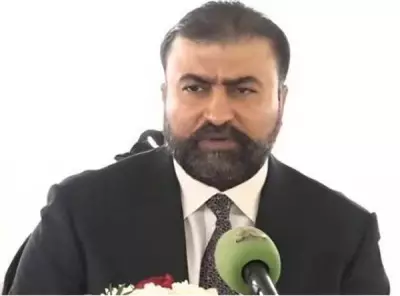
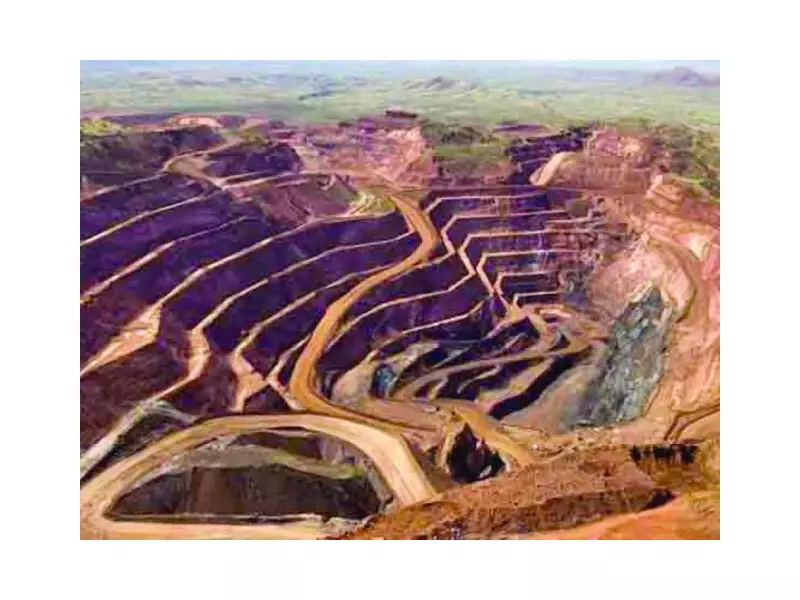
Pakistan's ambitious Reko Diq mining project has reached a significant financial milestone, with Petroleum Minister Ali Pervaiz Malik announcing that the project is very close to achieving financial close with $3.5 billion in loans now lined up. The announcement came during a seminar organized by the Pakistan Business Council, where the minister detailed the project's current status and future prospects.
Project Financing and Timeline Details
The massive $7.7 billion project has secured substantial international backing, including recent approval of a $1.25 billion loan from the US Export-Import Bank. According to Zarar Jamali, Country Manager of Reko Diq Mining Company, the $3.5 billion financing package has been secured from 11 international banks representing Japan, Canada, and the United States.
The first phase of construction is currently underway with an estimated investment between $5.5 billion to $6 billion. Jamali confirmed that the company is targeting the first export shipment for the first quarter of 2029, with full project completion expected within the next three years.

Managing Expectations and Regulatory Reforms
While there are high hopes that Reko Diq could solve Pakistan's external sector problems, Minister Malik cautioned against over-optimism regarding the much-quoted $7 trillion mineral reserves figure. "$7 trillion is a presumed value, as it neither has been measured nor calculated," the minister stated, emphasizing that it typically takes about a decade to complete one mining project.
The government has spent the past year standardizing legal, regulatory, and safety regulations based on feedback from foreign investors. The project cost has been revised upward by 79% to $7.7 billion from initial estimates, primarily due to higher loan costs and provisions for future price shocks.
Industry Perspectives and Future Outlook
Muhammad Ali Tabba of the Lucky Group emphasized the need to establish copper and gold smelting plants within Pakistan rather than exporting raw materials. "Millions of tonnes of raw material should not be exported, which will be more hazardous and involve security concerns too," Tabba argued, advocating for exporting only refined value-added products.
Shamsuddin Sheikh, CEO of National Resources Limited, revealed that Pakistan is on the verge of operationalizing two major mining projects: the $8 billion Reko Diq and the $1.5 billion Siadiq project, both expected to begin operations before the end of 2030.
Col Hamid Ashraf, Adviser to the Geological Survey of Pakistan, stressed the need for fiscal incentives to properly tap into Pakistan's mineral wealth. However, Minister Malik noted that providing such incentives would be challenging under the current IMF program.
In her closing remarks, Dr. Zeelaf Munir, Chairperson of PBC, summarized the situation: "Pakistan's economic future depends on resilience, reform and responsible partnership. No institution can deliver progress alone; all the stakeholders need to believe in business."