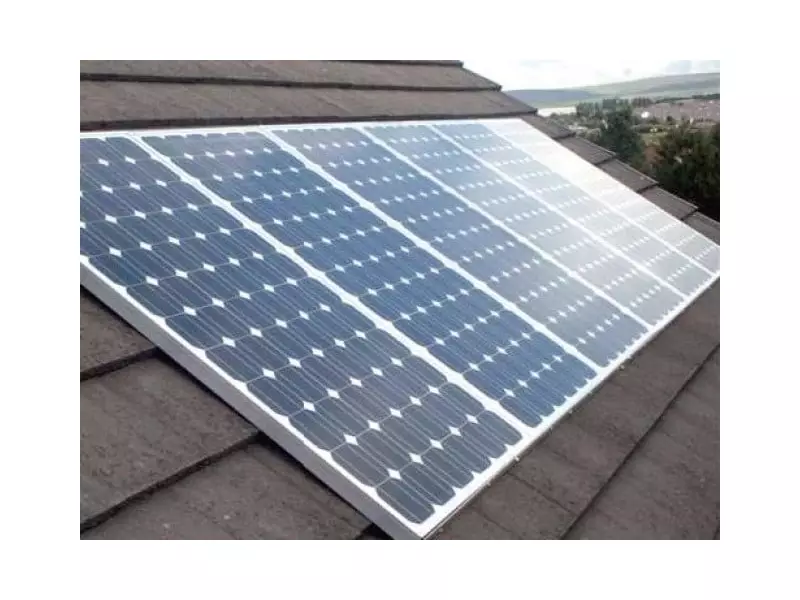
Pakistan is poised for a remarkable energy transformation as rooftop solar generation is projected to surpass daytime electricity demand on parts of the national grid next year, according to a senior government official. This development signals a significant shift in the country's power landscape driven by unprecedented solar adoption and declining grid consumption.
The Solar Revolution Takes Center Stage
Aisha Moriani, Secretary of the Climate Change Ministry, revealed during the COP30 climate conference in Belém, Brazil that Pakistan will experience "negative grid-linked demand during certain daytime hours because behind-the-meter solar is offsetting grid consumption completely." This phenomenon occurs when distributed solar generation exceeds the electricity drawn from the national grid.
The record-breaking boom in solar installations has already produced tangible benefits, including reduced emissions and lower electricity bills for consumers who have embraced solar technology. However, this positive development has simultaneously intensified financial pressures on power utilities already burdened by substantial debt.

Cities Leading the Solar Charge
Lahore, which boasts some of Pakistan's highest rooftop solar penetration rates, is expected to become the first major city to witness negative daytime electricity demand. Industrial hubs Faisalabad and Sialkot are likely to follow suit as factories and businesses rapidly adopt solar panels to power their operations.
This trend positions Pakistan among a select group of nations, potentially making it one of the first major emerging markets where rooftop generation consistently outperforms grid-linked demand for extended periods in key industrial regions. While European countries and Australia occasionally record negative electricity prices due to solar oversupply, Pakistan's situation represents a more sustained shift.
Drivers and Implications of Solar Adoption
The surge toward solar energy has been fueled by persistent power shortages and repeated electricity tariff increases affecting Pakistan's 250 million people. This has propelled the country to become the world's third-largest importer of solar panels, with solar's share in the national electricity mix now exceeding that of neighboring China.
Moriani, who serves as Pakistan's lead negotiator at COP30, indicated that negative-demand events will become more frequent during specific conditions: bright summer afternoons, industrial holidays, and days with moderate temperatures when solar output remains high but cooling requirements stay low.
The government official emphasized that Pakistan's core challenge isn't the rapid growth of renewable energy but rather the ability of grid infrastructure, regulatory frameworks, and market designs to adapt to this new reality. In response, authorities are planning new tariffs for large solar users and revised fee structures to ensure businesses with rooftop systems contribute to grid maintenance costs.
Broader Energy Sector Impacts
Grid-linked electricity demand in Pakistan is expected to increase by 3-4% this year, which is slower than long-term averages. While consumption may rise more sharply next year, this growth could be tempered by continued expansion of rooftop solar installations.
The solar revolution has also influenced Pakistan's liquefied natural gas strategy. Moriani confirmed that the country has begun renegotiating LNG contracts with top supplier Qatar and canceling cargoes previously supplied by Italy's Eni. Pakistan is seeking more flexible delivery schedules and lower prices to align with the changing energy landscape.
Although no formal negotiations occurred with Qatar during COP30, Moriani noted that the climate conference created "diplomatic space for engagement with energy ministers and commercial representatives." She clarified that Pakistan's priority is aligning gas import plans with fiscal constraints, demand projections, and seasonal trends, stating unequivocally: "Pakistan seeks stability and affordability, not expansion of LNG dependency."