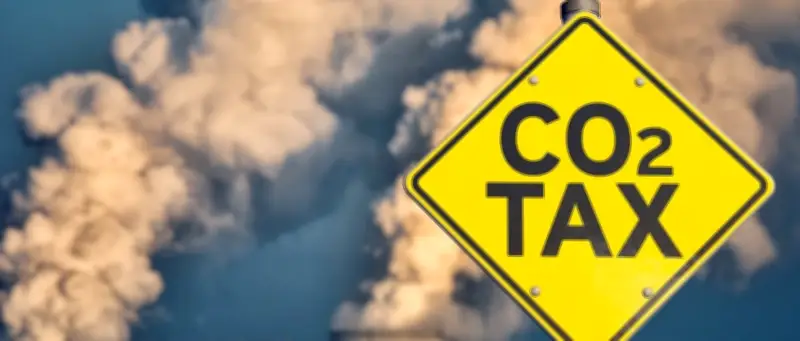
The revised carbon tax on petrol and diesel came into effect from 12:00am today, following the government's latest notification. According to the notification, the carbon tax has been increased from Rs2.5 per litre to Rs5 per litre. However, the government has offset the increase by reducing the petroleum levy, ensuring there is no immediate impact on current fuel prices.
Carbon tax extended to high octane and furnace oil
The notification also states that a Rs5 carbon tax has been imposed on High Octane and furnace oil. Officials said the actual impact of the revised carbon tax is expected to become clear when the government announces the next revision in petrol and diesel prices.
Fuel prices remain unchanged for now
Earlier, on June 26, the government decided to keep petroleum prices unchanged. According to a notification issued by the Petroleum Division, the existing fuel prices will remain in place until further notice. Under the current rates, petrol is priced at Rs299.50 per litre, while high-speed diesel remains at Rs311.47 per litre.

PM announced major fuel price cuts last week
Last Friday, Prime Minister Shehbaz Sharif announced significant relief for consumers by substantially reducing petrol and diesel prices. In a statement issued after regional and global tensions eased through Pakistan's mediation efforts, the prime minister announced a Rs74 per litre cut in petrol prices and a Rs67 per litre reduction in diesel prices.
With the reduction, the price of petrol fell from Rs373 to Rs299 per litre, while diesel dropped from Rs378 to Rs311 per litre, the prime minister said. Highlighting the improving economic outlook, Shehbaz Sharif said the government had passed on the benefit of lower international oil prices directly to the public. “The promise we made to the nation, Alhamdulillah, we are going to fulfill that,” he said.
He acknowledged the hardships faced by citizens and praised them for showing patience during a difficult period. “We are deeply grateful to the people for supporting the government in difficult times,” the PM said.
Government used savings to fund relief
He added that the government had tried to reduce fuel prices as much as possible using its own financial resources. According to the prime minister, Rs129 billion saved through development budget adjustments and austerity measures was utilised to provide relief. The government extended maximum possible relief despite sharp increases in global fuel prices, he said.
While several countries introduced measures such as fuel rationing during the regional economic crisis, Pakistan successfully avoided an energy shortage through effective planning. “Due to effective measures, there were no queues, no long lines, nor did the public face any shortage of petrol,” the PM said.
Commitment to pass on future price drops
Shehbaz Sharif also appreciated the cooperation of both the federal and provincial governments in maintaining economic stability and thanked the chief ministers for their support. He said the government remained committed to protecting people from the effects of global inflation and assured that any future decline in international oil prices would be passed on entirely to consumers.
The prime minister added that efforts to strengthen the economy and further reduce inflation would continue. He said austerity measures had been implemented across government institutions, while financial assistance had also been provided to vulnerable sections of society. “Providing maximum relief to the people is the government’s top priority,” he said. He further remarked that, by the grace of Allah, peace had been restored in the Middle East through Pakistan's mediation efforts.