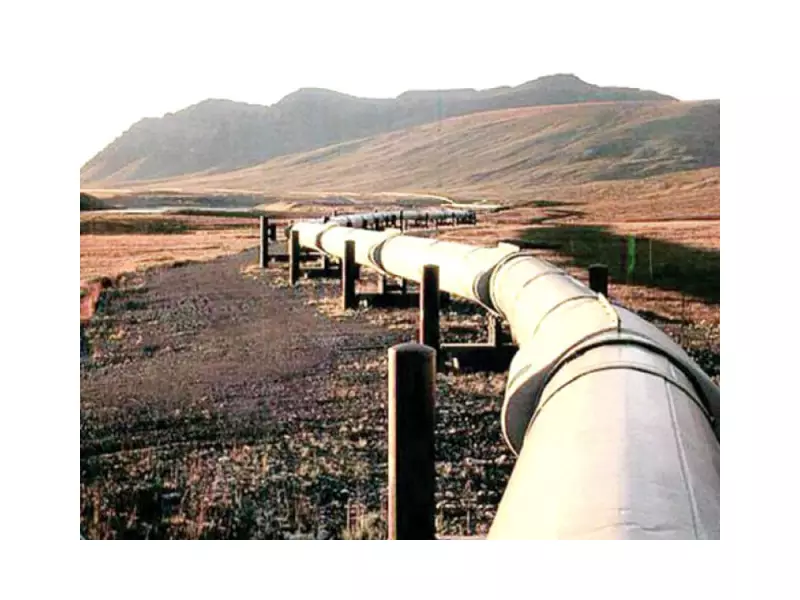
In a significant move to resolve a long-standing energy impasse, the Government of Pakistan has formally initiated efforts to negotiate an out-of-court settlement with Iran. The objective is to mutually terminate the stalled Iran-Pakistan (IP) gas pipeline project, a venture plagued by over a decade of delays primarily due to international sanctions.
The Looming Threat of a Massive Penalty
This diplomatic push comes against the backdrop of a serious legal and financial threat. Iran has already moved the case to international arbitration, seeking substantial penalties from Pakistan for its failure to fulfill contractual obligations by completing the pipeline on its territory by the initial deadline of December 2014. Officials have revealed that the potential penalty amount being discussed is staggering, with estimates reaching as high as $18 billion. This figure underscores the immense financial risk Pakistan faces if the dispute escalates in an international legal forum.
Navigating the Sanctions Quagmire
The core reason for Pakistan's inability to proceed with the 1,931-kilometer pipeline, designed to carry 750 million cubic feet of gas daily, is the complex web of international sanctions. US sanctions on Iran's energy sector have effectively blocked Pakistan from constructing the pipeline segment within its own borders. Any company or financial institution involved in the project risks severe punitive measures from the United States.

Pakistan has repeatedly sought a sanctions waiver from Washington but has not been successful. The recent expiration of a temporary waiver granted by the US, which had allowed some preliminary work, has further tightened the constraints. With the threat of arbitration looming and no viable path to construction, the Pakistani government, led by the Ministry of Energy, has determined that a negotiated termination is the most pragmatic course of action to avert a multi-billion dollar penalty.
Strategic Diplomacy and Future Implications
The pursuit of an out-of-court settlement is a strategic diplomatic maneuver. It aims to find a face-saving and financially manageable exit for both nations from a project that has become a symbol of geopolitical constraints. Successfully negotiating a termination would allow Pakistan to sidestep the crippling arbitration penalty. However, the process is delicate and its outcome uncertain.
This development marks a critical juncture for Pakistan's energy security planning. The $2.5 billion IP pipeline project, once hailed as a solution to chronic gas shortages, now appears destined for cancellation. The situation highlights the profound impact of global geopolitics on regional energy infrastructure and forces Pakistan to continue its search for alternative and sustainable gas supplies to meet its growing domestic and industrial demands.