Iraq and Jordan have agreed to accelerate implementation of the Basra-Aqaba Strategic Oil Pipeline Project, one of the two countries' largest joint energy investments, according to a statement from the Iraqi prime minister's office. The agreement was reached on Thursday during a meeting between Iraqi Prime Minister Ali al-Zeydi and a Jordanian ministerial delegation led by Industry, Trade and Supply Minister Yarub al-Qudah, who visited Baghdad to discuss the project's latest developments.
Pipeline Details and Capacity
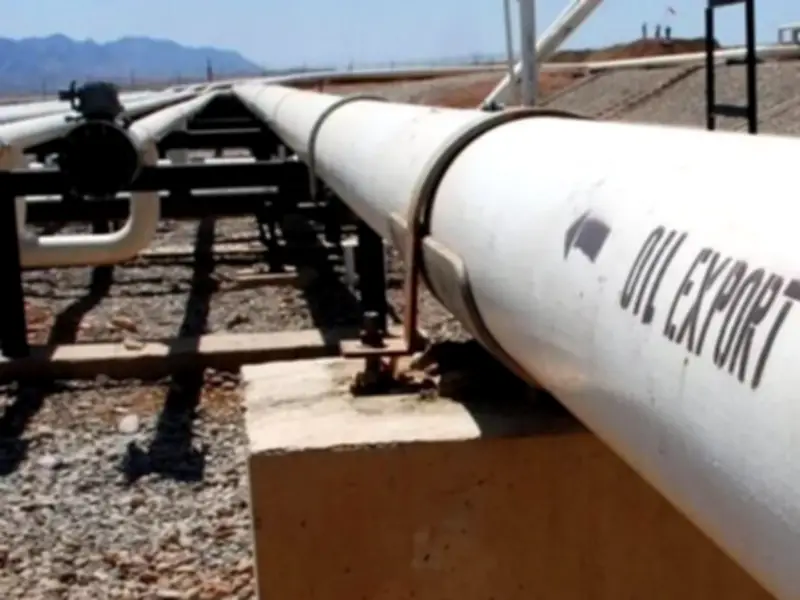
The two sides discussed expediting implementation of the pipeline, which is planned to stretch 1,700 kilometers (1,056 miles) and transport up to 2.5 million barrels of oil per day. They also discussed strengthening bilateral cooperation in industry, transport and investment. Al-Zeydi described Jordan as an important strategic partner for Iraq, while al-Qudah said Amman fully supports Iraq's economic reform process.
Construction and Strategic Goals
Physical construction of the pipeline began last year. The project aims to diversify Iraq's oil export routes, reducing its reliance on Gulf ports while providing Jordan with discounted oil supplies and transit revenues. The Iraqi Cabinet approved the agreement for the Basra-Aqaba Strategic Oil Pipeline Project on January 11, 2022. The pipeline is designed to transport crude oil from Iraq's southern city of Basra to the Jordanian port of Aqaba on the Red Sea. The Iraqi government allocated funding for the project in its 2024 budget.

Opposition to the Project
Some groups in Iraq have opposed the project, arguing that it is intended to facilitate normalisation with Israel.