Prime Minister Shehbaz Sharif has issued directives to establish uniform gas prices for fertilizer manufacturers and is actively considering a significant policy shift to directly support farmers. The move aims to rationalize subsidies and combat market malpractices within the agricultural input sector.
Overhauling Subsidy Mechanism & Pricing
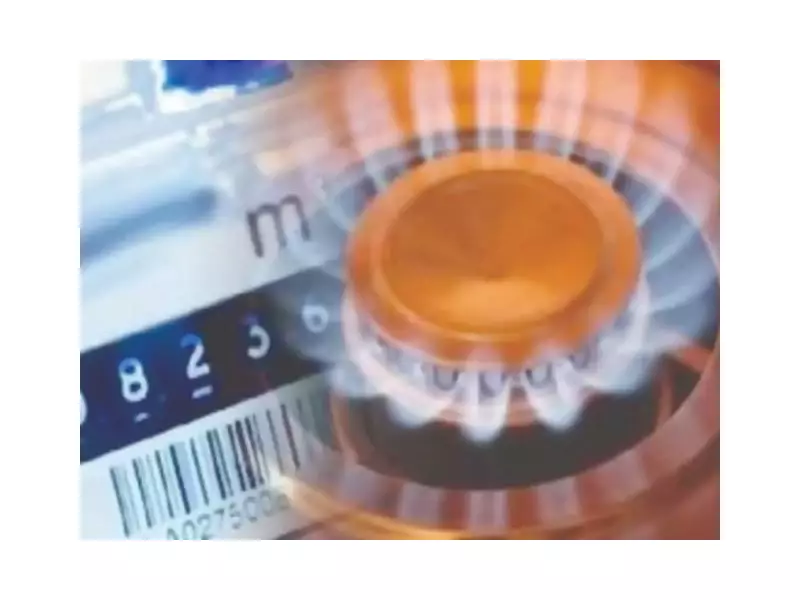
The premier has instructed relevant officials to work on introducing a uniform gas tariff for all fertilizer plants. This directive came during discussions on allocating gas from the Mari field to the fertilizer industry. He noted that a committee, led by Deputy Prime Minister Ishaq Dar, is already tasked with this objective.
In a pivotal reconsideration of the existing subsidy model, the government is mulling over a plan to terminate the provision of subsidized gas to fertilizer plants. Instead, it proposes to extend a direct subsidy to farmers through the Benazir Income Support Programme (BISP). This approach intends to ensure that financial relief reaches the intended beneficiaries—the farming community—more effectively.

Cracking Down on Market Manipulation & Tax Evasion
Parallel to the gas pricing review, the government is developing a plan to implement a tagging system for fertilizer bags. This initiative is a direct response to two critical issues: the artificial inflation of fertilizer prices by dealers through stock dumping and widespread reports of tax evasion in the industry.
The tagged bags will allow authorities to meticulously track sales and purchase data, monitor stock levels, and assist the Federal Board of Revenue (FBR) in its efforts to curb tax fraud. This move aligns with a broader government drive to digitize sectors, including petrol stations, for better oversight of supply chains and sales.
Mari Gas Allocation & Circular Debt Hurdles
The cabinet recently ratified an Economic Coordination Committee (ECC) decision to allocate gas from Mari Energies' new Ghazij/Shawal reservoirs to three fertilizer plants. Engro's base fertilizer plant on the Mari network will receive its supply from the Sui Northern Gas Pipelines Limited (SNGPL).
However, this allocation is set against the backdrop of a severe circular debt crisis. Mari Energies has highlighted that the prevailing circular debt of Rs2.6 trillion is stifling its operations and investment potential. The company stated it cannot undertake a required investment of over $1 billion for the full-scale development of the Ghazi Ghaisakhori field without assurances of sustainable gas offtake and timely payments from buyers.
The company further cited a study by Wood Mackenzie indicating a substantial decline in gas demand from public utilities, especially the power sector, exacerbated by higher tariffs and levies on captive power plants.