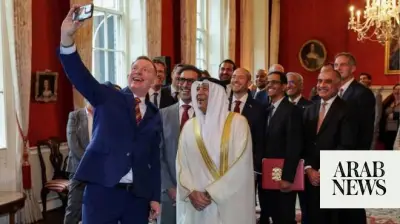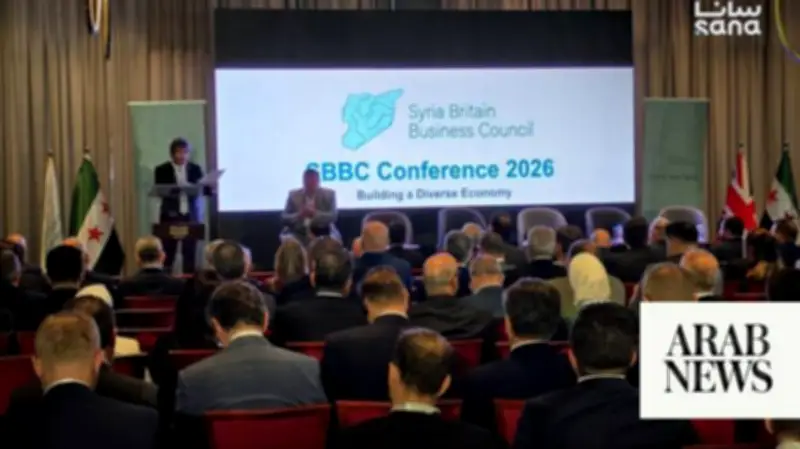
Business leaders and officials from Syria, the United Kingdom, and other countries convened in Damascus on Wednesday for an economic conference centered on investment opportunities and development in Syria as postwar recovery efforts advance. The one-day event, organized by the Syrian-British Business Council (SBBC) and titled “Building a Diverse Economy,” addressed diversification across finance, energy, urban development, logistics, and education, according to the Syrian Arab News Agency (SANA).
Keynote Address and International Participation
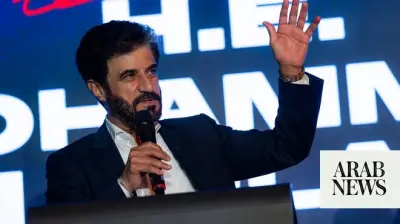
SBBC President Munzer Nazha, in his opening address, stated that the participation of delegations from the UK and other nations reflected growing international interest in Syria’s economy and could bolster economic cooperation. He noted that council members include Syrian, British, and international companies with expertise in energy, engineering, industry, technology, and financial services. Nazha highlighted Syria’s strategic location and potential in transport, energy, tourism, industry, agriculture, and infrastructure, which could position the country as a regional economic and logistics hub.
British Politicians Call for Reconstruction Support
British politician Melanie Ward remarked that the Syrian people aspire to build a new future, revive their economy, and create new opportunities. She said discussions at the conference centered on constructing a robust economy, supporting recovery, promoting sustainable development, and fostering a favorable investment climate. Fellow British politician Alan Gemmell described the conference as a crucial step in supporting development and reconstruction in Syria. He added that relief from international sanctions would allow governments and investors to better support the country’s economic goals, and that the business community would play a key role in driving growth and generating employment.

Postwar Political Context and Sanctions Relief
Following the civil war that began in 2011, Syrian President Bashar Assad fled the country in December 2024 after his regime was toppled by an opposition offensive that swept into Damascus. An interim transitional government led by President Ahmad Al-Sharaa was established. To facilitate reconstruction, trade, banking, and investment, the United States, European Union, and United Kingdom have gradually eased broad sanctions imposed on the Assad regime. The US eased sanctions in stages, beginning with temporary relief in May 2025, followed by an executive order in June 2025 that ended the sanctions program against Syria while retaining measures targeting Assad, his associates, human rights abusers, traffickers, individuals linked to terrorism, and other designated entities.
Economic Challenges and Recovery Priorities
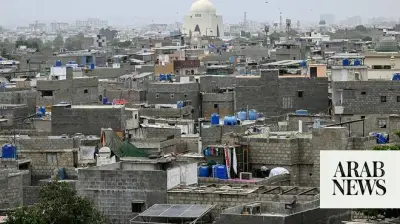
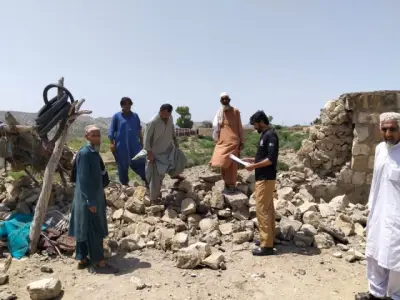
Syria’s economy was devastated by nearly 14 years of civil war, resulting in extensive infrastructure damage and severe international sanctions. The country now faces high poverty levels, weak growth, and severe fiscal pressures. Agriculture, trade, and energy are considered key sectors for recovery efforts. The conference underscored the importance of these sectors in rebuilding the nation and attracting foreign investment.