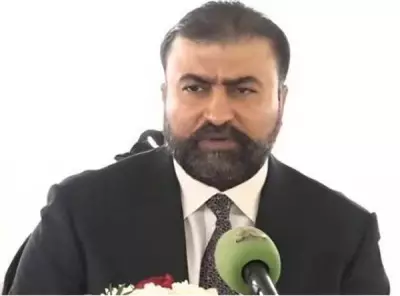
In a significant move to bolster business confidence, Pakistan's Finance Minister has provided a clear timeline for reducing the country's key interest rate. The minister assured leading industrialists and traders that the government, in collaboration with the State Bank of Pakistan (SBP), is working towards bringing the policy rate down to a single digit within the next year.
A Pledge to the Business Community
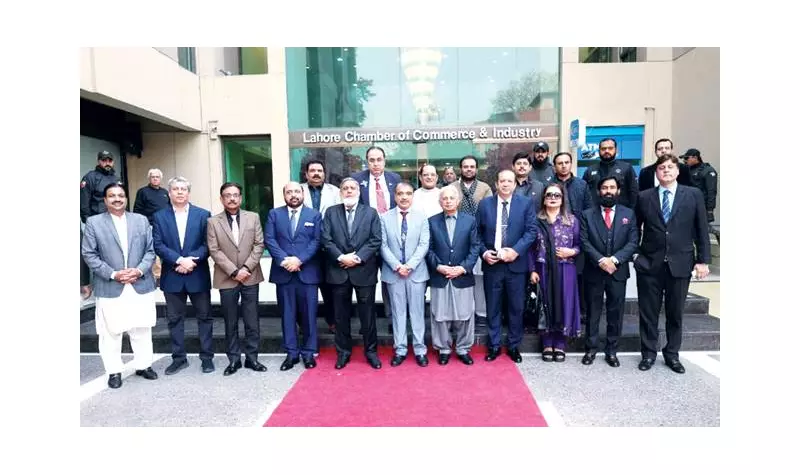
The assurance came during a high-level meeting between the Finance Minister and a delegation from the business sector. The discussion centered on the critical challenges facing Pakistan's economy, with a particular focus on the high cost of borrowing. The minister acknowledged that the current elevated policy rate, a tool used by the central bank to control inflation, has been a major hurdle for industrial expansion and new investment.
The minister explicitly stated that bringing the policy rate into single digits is a top priority for the economic team. This commitment is based on a coordinated strategy between the fiscal authorities and the monetary policy committee of the SBP. The goal is to create an environment where credit becomes more affordable, thereby stimulating private sector activity, enhancing productivity, and ultimately generating more employment opportunities across the country.

The Path to Economic Stabilization
This promise is not made in isolation but is tied to broader macroeconomic improvements. The minister outlined that achieving a sustainable single-digit policy rate is contingent upon continued progress in stabilizing the economy. Key indicators such as a reduction in inflation, a stronger exchange rate, and improved foreign exchange reserves are seen as foundational pillars that will allow the central bank to ease its monetary policy stance.
The business delegation, representing major sectors of the economy, welcomed this forward guidance. They highlighted that predictable and lower interest rates are essential for long-term planning, capital expenditure, and remaining competitive both in domestic and international markets. The shift from a high-interest rate environment to a more accommodative one is expected to unlock pent-up demand for loans and catalyze growth in manufacturing and services.
Implications for Growth and Investment
The potential reduction of the policy rate to below 10% within a year carries profound implications. For existing businesses, it means lower costs of servicing debt, which can improve profitability and free up capital for reinvestment. For aspiring entrepreneurs and new projects, it lowers the barrier to entry, making business plans more viable.
This policy direction signals the government's intent to shift from a purely stabilization-focused agenda to one that actively promotes growth. By directly addressing one of the most frequently cited complaints from the private sector, the authorities aim to rebuild trust and foster a genuine partnership for economic development. The success of this pledge, however, will depend heavily on maintaining fiscal discipline and ensuring that inflationary pressures continue to subside in the coming months.
In conclusion, the Finance Minister's clear one-year timeline for a single-digit policy rate offers a ray of hope for Pakistan's business landscape. It represents a targeted effort to alleviate a major constraint on economic activity and sets a defined goal for the country's monetary policy trajectory in the near future.