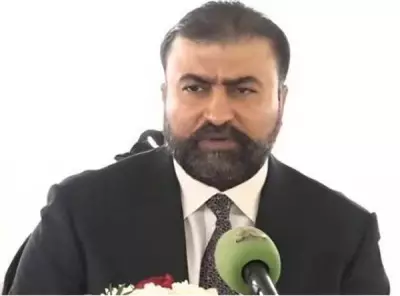
Pakistan's economic landscape is showing promising signs of stabilization, with key indicators reflecting positive movement following a series of government-led reforms. Federal Minister for Planning, Development, and Special Initiatives, Professor Ahsan Iqbal, highlighted this encouraging trend, pointing to concrete data that suggests the nation's economy is on a path to recovery.
Minister Ahsan Iqbal Highlights Key Data Points
In a recent statement, Ahsan Iqbal provided a detailed overview of the improving economic metrics. He emphasized that the government's strategic policy measures, implemented over the past months, are now yielding tangible results. The minister's analysis focused on several critical areas that are fundamental to assessing economic health.
A primary area of success has been in controlling inflation. The Consumer Price Index (CPI) inflation has decreased significantly, falling to 12.6% in December 2025 from a peak of over 38% in May 2023. This dramatic reduction is a direct outcome of stringent monetary and fiscal policies aimed at stabilizing prices and restoring purchasing power for citizens.

Furthermore, the country's external position has strengthened. Foreign exchange reserves have witnessed a substantial increase, rising to approximately $14 billion. This boost in reserves provides a much-needed buffer for the national economy, enhances investor confidence, and improves Pakistan's capacity to meet its international financial obligations.
Sectoral Growth and Fiscal Discipline
Beyond inflation and reserves, other sectors are also demonstrating vitality. The minister noted positive growth trends in agriculture, particularly in the production of key crops like wheat and rice. This agricultural performance is crucial for ensuring food security and supporting related industries.
Industrial activity, especially in export-oriented sectors such as textiles, has also picked up momentum. This resurgence is partly attributed to improved energy supply and government incentives designed to boost manufacturing and exports. The current account deficit has narrowed considerably, reflecting a healthier balance between the country's imports and exports.
Fiscal discipline remains a cornerstone of the ongoing reforms. The government has made concerted efforts to reduce the budget deficit through measures including broadening the tax base, curbing non-essential expenditures, and improving the efficiency of public spending. These steps are essential for long-term macroeconomic stability.
The Road Ahead and Continued Reform Agenda
While celebrating the progress, Ahsan Iqbal cautioned that the journey is far from over. He stressed that the current positive indicators are a foundation to build upon, not a final destination. The government remains committed to its comprehensive reform agenda to ensure that the economic recovery is sustainable, inclusive, and benefits all segments of society.
The immediate priorities include:
- Attracting foreign direct investment (FDI) by improving the ease of doing business.
- Further enhancing export competitiveness through technological upgradation.
- Continuing with structural reforms in state-owned enterprises to reduce fiscal burdens.
- Investing heavily in human capital development and climate-resilient infrastructure.
The minister reiterated that political stability and policy continuity are paramount for maintaining this economic momentum. He called for national unity and support from all stakeholders, including the opposition, to navigate the remaining challenges and solidify Pakistan's economic gains. The improved indicators, he concluded, are a testament to the resilience of the Pakistani people and the effectiveness of well-calibrated economic policies.