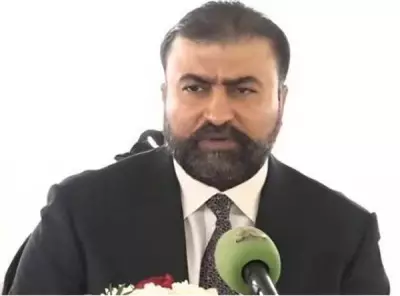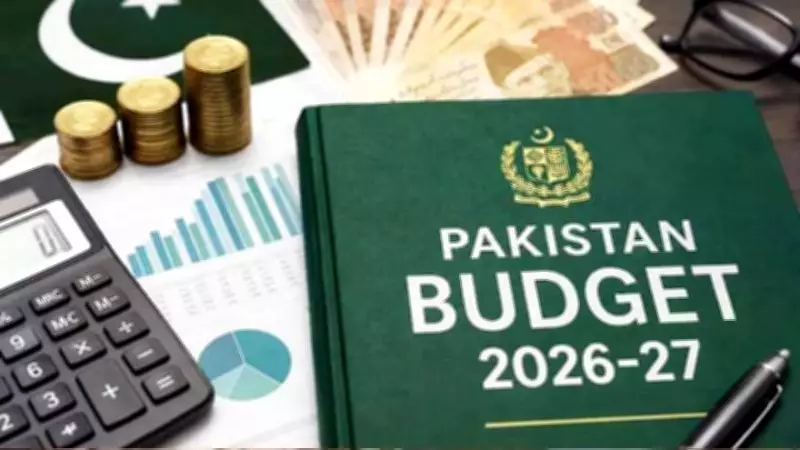
A newly proposed model budget outlines a series of comprehensive reforms aimed at easing fiscal pressure and boosting investment in Pakistan. The budget, presented by economic experts, focuses on restructuring taxation, improving public sector efficiency, and creating a more business-friendly environment to stimulate economic growth.
Key Reforms in the Model Budget
The model budget introduces several key measures designed to address the country's fiscal challenges. These include broadening the tax base, rationalizing expenditures, and enhancing the ease of doing business. The proposals aim to reduce the budget deficit while encouraging private sector participation in the economy.
Tax Restructuring
One of the central elements of the model budget is the restructuring of the tax system. This involves simplifying tax procedures, reducing rates for certain sectors, and improving compliance through digitalization. The goal is to increase revenue without overburdening taxpayers, thereby creating a more sustainable fiscal framework.

Public Sector Efficiency
The budget also emphasizes improving efficiency in the public sector. Measures include reducing non-development expenditures, reforming state-owned enterprises, and implementing performance-based budgeting. These steps are expected to free up resources for development projects and social services.
Boosting Investment
To attract both domestic and foreign investment, the model budget proposes incentives such as tax holidays for new industries, streamlined regulatory processes, and enhanced protection for investors. Special attention is given to sectors like technology, manufacturing, and renewable energy, which have high growth potential.
Private Sector Role
The budget encourages a greater role for the private sector through public-private partnerships and privatization of select state assets. This approach is aimed at leveraging private capital and expertise to improve infrastructure and service delivery.
Fiscal Consolidation
The model budget outlines a path for fiscal consolidation, targeting a gradual reduction in the fiscal deficit over the next three years. This will be achieved through a combination of revenue enhancement and expenditure control, ensuring that the economy remains stable and growth-oriented.
Overall, the model budget presents a balanced approach to addressing Pakistan's fiscal pressures while laying the groundwork for sustained economic growth. Stakeholders have welcomed the proposals, though implementation will be key to realizing the desired outcomes.