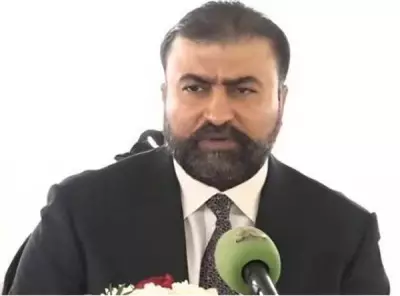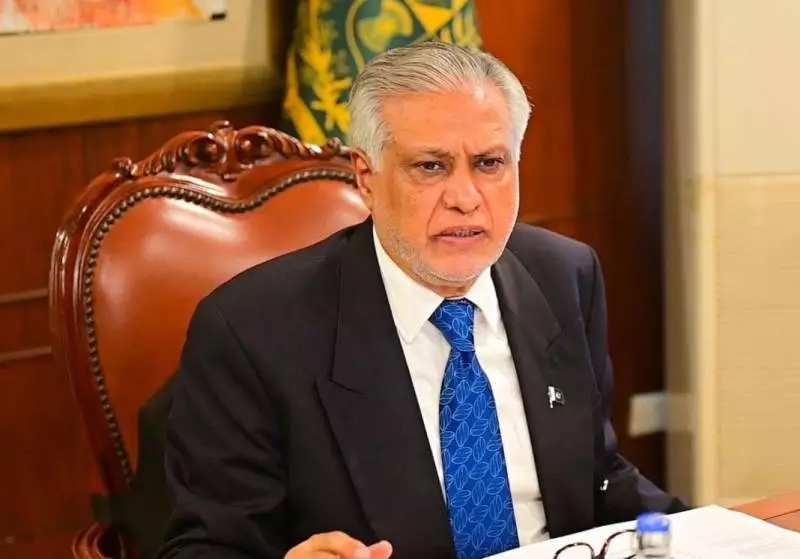
In a significant move to steer Pakistan's economy towards stability and growth, Deputy Prime Minister and Foreign Minister Ishaq Dar chaired the inaugural session of the newly formed Economic Management Reforms Committee. The high-level meeting, held on Wednesday, marked the first concrete step by the committee established by the federal cabinet just a day prior, signaling the government's urgent focus on economic challenges.
Committee's Mandate and Key Focus Areas
The committee, formed under the directive of Prime Minister Shehbaz Sharif, has been entrusted with a critical mandate: to propose and oversee comprehensive reforms aimed at revitalizing Pakistan's economic framework. During the meeting, Deputy PM Dar underscored the committee's principal objectives, which are centered on restoring macroeconomic stability and fostering a climate conducive to sustainable development.
A primary area of discussion was the pressing need for fiscal discipline. The committee deliberated on strategies to broaden the tax base, enhance revenue collection, and rationalize public expenditure. This is seen as a fundamental step towards reducing the fiscal deficit and ensuring that government spending is both efficient and productive.

Another major point on the agenda was inflation control. With the cost of living remaining a severe burden on ordinary citizens, the committee explored multi-faceted approaches to tame soaring prices. These include measures to ensure a steady supply of essential commodities, improve market monitoring mechanisms, and address supply-chain bottlenecks that often lead to artificial price hikes.
Structural Reforms and Growth Strategy
The meeting went beyond immediate firefighting to discuss deeper, structural reforms necessary for long-term prosperity. Participants emphasized the importance of creating a predictable and business-friendly policy environment to attract both domestic and foreign investment. The committee recognized that private sector-led growth is indispensable for job creation and economic expansion.
Discussions also touched upon reforms in the energy sector, which is a major drain on national resources due to circular debt, and the need for improvements in the performance of state-owned enterprises (SOEs). The committee aims to propose concrete policy measures that can reduce burdens on the national exchequer and turn these entities into assets rather than liabilities.
Furthermore, the committee reviewed the progress on earlier reform initiatives and stressed the importance of continuity in economic policy. This signals an intent to build upon previous efforts rather than initiating disjointed projects, ensuring that reform gains are consolidated and built upon over time.
The Path Forward and Expected Outcomes
The inaugural meeting served as a foundational session to set the committee's tone and work plan. Deputy Prime Minister Ishaq Dar directed the relevant ministries and divisions to prepare detailed presentations and working papers for the next meetings. This indicates a data-driven and consultative approach to policy formulation, where decisions will be based on thorough analysis and stakeholder input.
The formation and immediate convening of this committee reflect the government's acute awareness of the economic headwinds facing the country. By placing a senior and experienced figure like Ishaq Dar at its helm, the administration demonstrates a serious commitment to navigating these challenges. The committee is expected to meet regularly to fast-track reform proposals and monitor their implementation, aiming to present actionable recommendations to the federal cabinet for approval.
The success of this committee will ultimately be measured by its ability to translate discussions into tangible policies that stabilize the currency, curb inflation, stimulate investment, and put Pakistan on a path of inclusive and sustainable economic growth. All eyes will now be on the committee's subsequent meetings and the concrete policy blueprints it produces in the coming weeks.