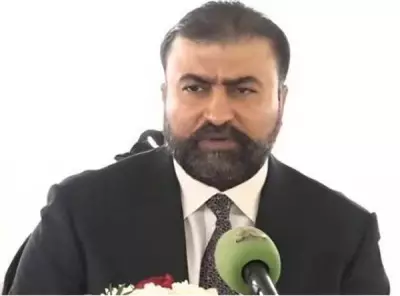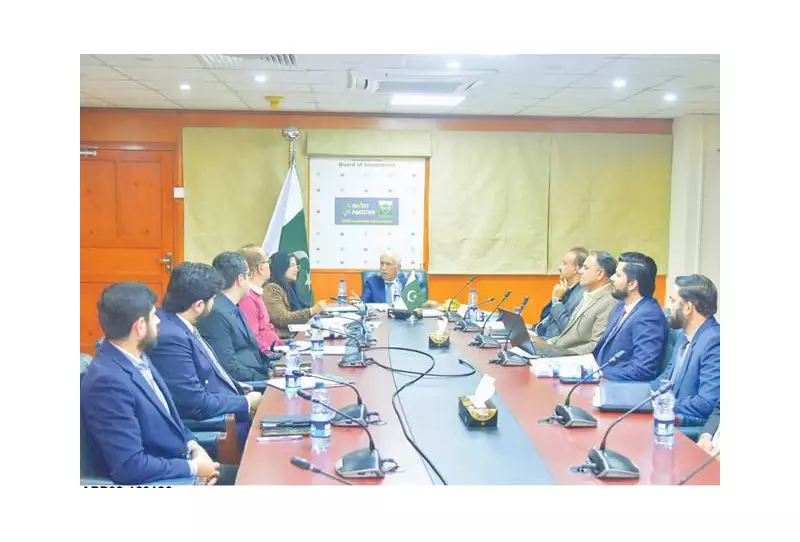
In a significant development for Pakistan's economic and strategic planning, the Chairman of the Board of Investment (BOI), Ahsan Iqbal, held a detailed briefing session with Federal Minister for Petroleum and Power, Musadik Masood Malik. The meeting, which took place on Friday, centered on Pakistan's ongoing and future engagement with its all-weather ally, China, with a particular focus on the monumental China-Pakistan Economic Corridor (CPEC) as it transitions into its second phase.
Strategic Roadmap for Enhanced Cooperation
The briefing provided a comprehensive overview of the current state of bilateral relations and the strategic roadmap designed to deepen economic ties. Ahsan Iqbal, who also serves as the Minister for Planning, Development & Special Initiatives, outlined the government's vision for maximizing the benefits from the partnership with China. The discussion underscored the need for a cohesive and focused approach to attract Chinese investment and expertise into high-priority sectors of the Pakistani economy.
A core part of the conversation was dedicated to CPEC's Phase-II, which marks a strategic shift from initial infrastructure development to broader industrial and socio-economic cooperation. The officials reviewed the progress made so far and deliberated on strategies to accelerate projects under this new phase. The emphasis was on creating synergies between various ministries and departments to ensure seamless implementation and to address any bottlenecks that could hinder progress.

Focus on Key Economic Sectors
The BOI chairman highlighted several key areas targeted for collaboration under the enhanced engagement framework. These sectors are considered vital for Pakistan's long-term growth and stability:
- Information Technology (IT) and Artificial Intelligence (AI): Leveraging Chinese technological prowess to boost Pakistan's digital economy and innovation landscape.
- Agriculture and Food Security: Introducing modern techniques, seed technology, and agro-processing to enhance productivity and exports.
- Energy and Power: Building upon the foundational projects of CPEC's first phase to ensure sustainable and affordable energy for industrial and domestic use.
- Industrial Development and Special Economic Zones (SEZs): Accelerating the development of SEZs to attract manufacturing units and create massive employment opportunities.
Minister Musadik Masood Malik, whose portfolios directly intersect with critical areas of CPEC cooperation like energy, expressed his full support for the initiatives. He acknowledged the transformative potential of the corridor and stressed the importance of inter-ministerial coordination to present a unified and attractive investment front to Chinese counterparts. The meeting concluded with a mutual resolve to work closely to turn the plans into tangible outcomes that benefit the people of Pakistan.
Implications for Pakistan's Economic Future
This high-level briefing signifies the government's renewed commitment to CPEC as a cornerstone of its economic policy. The focused discussion on Phase-II indicates a maturation of the project, moving towards more complex, value-added, and job-creating ventures. Successful execution in sectors like IT and agriculture could diversify Pakistan's economic base, reduce import bills, and increase exports.
Furthermore, the engagement demonstrates an effort to streamline bureaucratic processes and foster a whole-of-government approach to dealing with a partner as crucial as China. As global economic dynamics shift, strengthening this bilateral partnership is seen as essential for Pakistan's geo-economic positioning. The outcomes of this collaborative push, led by the Board of Investment and key federal ministers, will be closely watched by investors and policymakers alike, as they will shape the country's economic trajectory for years to come.