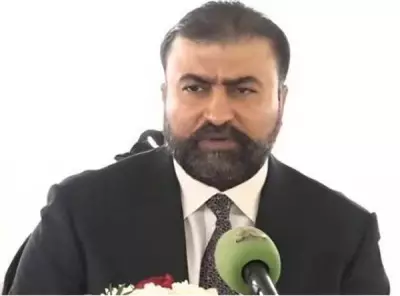
Federal Finance Minister Senator Muhammad Aurangzeb convened a high-level meeting with World Bank Pakistan Country Director Ms. Bolormaa Amgaabazar in Islamabad on Thursday. The session, attended by their respective teams, aimed to assess the ongoing collaboration and discuss key priorities under the World Bank's Country Partnership Framework (CPF) for Pakistan.
Progress on Stability and the Push for Growth
During the discussions, the World Bank delegation provided the finance minister with a comprehensive briefing on the status of current operations and projects under the CPF. This included updates on recent advancements in fiscal and revenue reforms, efforts toward macroeconomic stabilisation, and various policy-based engagements.
Both sides recognised that Pakistan has achieved progress in securing macroeconomic stability through careful fiscal and monetary policies. However, they jointly stressed the urgent need to transform this stability into sustained economic growth, increased investment, and significant job creation for the population.

Accelerating Private Investment and Structural Reforms
A central point of the dialogue was the critical role of private sector investment. The World Bank highlighted that current investment levels remain below the targets set in the CPF. The conversation centred on creating a coherent, programmatic investment framework aligned with CPF goals, covering several key areas:
- Reforms to improve the business environment
- Restructuring of state-owned enterprises (SOEs)
- Measures to facilitate trade
- Development of capital markets
- Enhancing export competitiveness
The World Bank proposed a results-based approach featuring clear policy milestones, performance indicators, and targeted technical assistance to ensure effective implementation.
In response, Senator Muhammad Aurangzeb reaffirmed the government's dedication to the structural reforms already in motion. He cited ongoing efforts in tariff rationalisation, better governance of SOEs, modernisation of regulations, and initiatives to boost transparency. The minister also emphasised the importance of deepening capital markets, expanding access to long-term financing, and improving institutional coordination to foster private sector-led growth.
Focus on Jobs, Skills, and Future Priorities
The meeting also addressed employment and skills development as a fundamental pillar for economic expansion. Minister Aurangzeb pointed out the necessity for vocational and technical training driven by market needs, stronger public-private partnerships, and aligning skills development with labour market demands both domestically and overseas.
Key sectors identified for skills development include:
- Information Technology (IT)
- Healthcare and Nursing
- Hospitality
- Construction
The World Bank shared insights from its ongoing work on labour mobility, skills matching, and digital platforms for labour markets to improve workforce productivity and opportunities for overseas employment.
Furthermore, the parties discussed potential focus areas for future World Bank-supported operations, such as digital services exports, agriculture and agribusiness, minerals and mining, healthcare, and select manufacturing segments. They agreed that targeted interventions in these sectors, backed by regulatory and institutional reforms, could yield high-impact results in employment and export growth.
Exploring Innovative Financing and Climate Focus
The World Bank also informed the finance minister about the potential use of policy-based guarantees in future operations. These could support Pakistan's liability management, help refinance high-cost debt, and introduce innovative financing methods, contingent on achieving mutually agreed policy milestones.
The broader context of development financing and reform implementation also covered discussions on climate finance, streamlining regulations, and enhancing coordination with provincial governments.

The meeting concluded with a mutual agreement to continue technical-level engagements. The goal is to further refine priorities, narrow the scope of proposed interventions, and advance the preparation of future World Bank-supported programmes. These efforts will be closely aligned with Pakistan's national reform agenda and the objectives of the Country Partnership Framework.