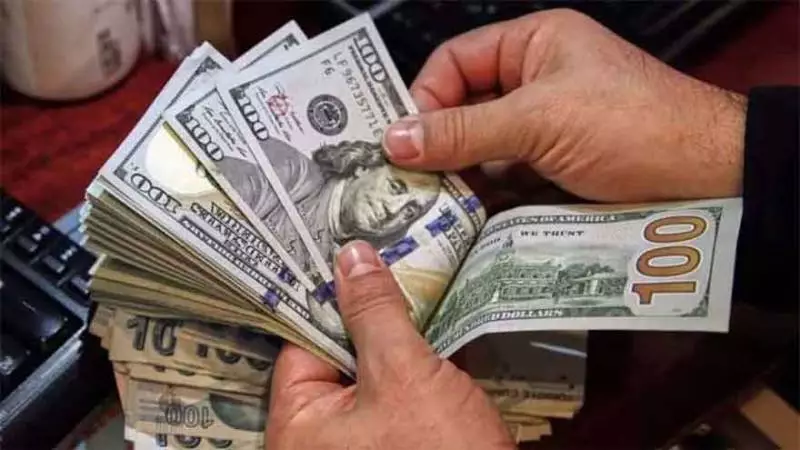
The Pakistani rupee has achieved a remarkable milestone, extending its record-breaking rally against the US dollar for the 74th consecutive session. This sustained period of appreciation marks an unprecedented phase of strength for the national currency in the foreign exchange market.
Details of the Rupee's Sustained Strength
According to the latest data from the foreign exchange market, the rupee continued its upward trajectory. In the interbank market, the local currency appreciated further, closing at a stronger rate. This consistent gain over nearly two and a half months has significantly altered the exchange rate landscape, providing relief to the economy which has long grappled with currency depreciation pressures.
The rupee's performance is being closely monitored by economists, traders, and policymakers alike. The State Bank of Pakistan (SBP) has played a crucial role in this stabilization, with its monetary and exchange rate policies contributing to the current positive trend. Market sentiment has improved considerably, driven by a combination of administrative measures and improved macroeconomic indicators.

Key Factors Driving the Rally
Several interconnected factors are fueling this historic rally. A primary driver has been a significant reduction in the current account deficit, easing pressure on the country's external finances. Furthermore, increased inflows from remittances and a more controlled import bill have bolstered the foreign exchange reserves held by the State Bank of Pakistan.
Strict regulatory actions against illicit currency trading and speculative activities in the open market have also been instrumental. These measures have helped narrow the gap between the interbank and open market rates, bringing more transparency and stability to the forex market. The government's ongoing engagement with international financial institutions has additionally bolstered investor confidence.
Economic Implications and Future Outlook
The rupee's sustained appreciation carries profound implications for Pakistan's economy. On the positive side, it has made foreign debt servicing cheaper and reduced the cost of imported goods, including essential items like petroleum products, edible oil, and machinery. This contributes directly to lowering inflationary pressures, offering respite to consumers.
However, analysts also caution about potential challenges. A stronger rupee could make Pakistani exports slightly less competitive in the global market if the trend continues aggressively. The key for policymakers will be to maintain this stability and ensure that the gains are sustainable in the long run, supported by continued structural reforms and export growth.
The market now watches to see if the rupee can maintain this momentum. The focus is on whether the fundamental economic improvements that underpin this rally are deep-rooted enough to withstand potential global financial volatility. The State Bank of Pakistan's future policy moves will be critical in steering the currency's path forward.