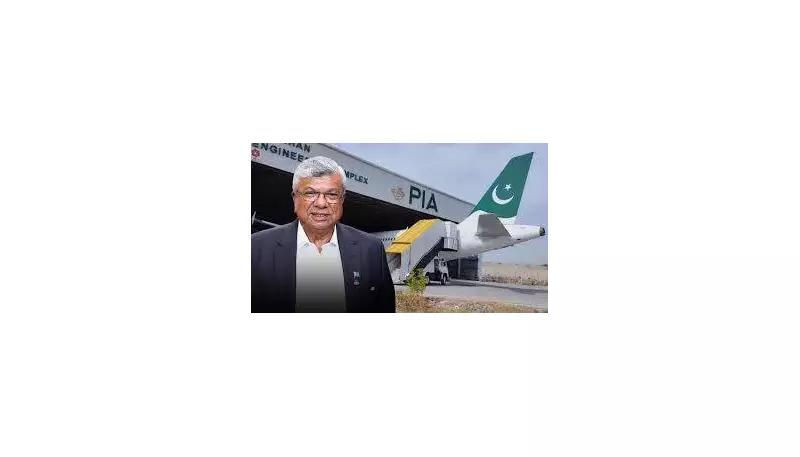
In a landmark move for Pakistan's economy, the government has successfully concluded the privatisation of the national flag carrier, Pakistan International Airlines (PIA). The airline was sold for a staggering sum of Rs135 billion in a highly anticipated auction held on December 24, 2025. This transaction stands as the single largest privatisation in the nation's history, signaling a significant shift in the government's approach to managing state-owned enterprises.
The Details of the Monumental Sale
The auction process, which attracted considerable attention from both domestic and international investors, culminated in the successful bid for the entirety of PIA. The winning bid of Rs135 billion represents a critical infusion of capital for the national exchequer. This move is part of a broader strategy by the Pakistani government to divest from loss-making public sector entities and reduce the substantial fiscal burden they impose. For years, PIA had been a significant drain on public finances, requiring repeated bailouts to sustain its operations amidst mounting debts and operational inefficiencies.
The decision to privatise the airline was not taken lightly. It followed extensive deliberations within the federal cabinet and consultations with financial advisors to ensure a transparent and competitive bidding process. The primary objective was to secure a future for the airline under management that could restore its profitability and former glory, while also providing much-needed relief to the national budget.

Implications for Pakistan's Aviation and Economy
The sale of PIA for Rs135 billion is expected to have far-reaching consequences. Financially, it immediately alleviates a major liability from the government's balance sheet. The funds generated are anticipated to be channeled towards pressing national development projects and potentially to reduce public debt. From a sectoral perspective, the entry of new, presumably private, ownership is projected to bring in fresh capital, modern management practices, and a renewed focus on customer service and operational efficiency.
Industry analysts suggest that this could revitalize Pakistan's aviation sector, fostering healthier competition and improving service standards for passengers. The privatisation is also seen as a strong positive signal to foreign investors, demonstrating Pakistan's commitment to economic reforms and market-driven policies. It enhances the country's credibility in fulfilling commitments made to international financial institutions.
Looking Ahead: Challenges and Opportunities
While the sale marks the end of state ownership, it opens a new chapter fraught with both challenges and opportunities. The new owners will inherit an airline with a complex legacy, including an aging fleet, persistent operational issues, and the task of rebuilding its brand reputation internationally. Key priorities will likely include fleet modernization, route optimization, and improving on-time performance.
For the thousands of PIA employees, this transition brings uncertainty but also the hope of greater job security under a financially sustainable model. The government has assured that the process will consider the welfare of the existing workforce. The success of this historic privatisation will ultimately be measured by the airline's ability to soar once again as a competitive, profitable, and respected carrier, shedding the losses that characterized its recent past under public management.
This decisive step on December 24, 2025, closes a long-running debate on the fate of PIA and sets a precedent for the future of other state-owned enterprises in Pakistan. The nation now watches closely to see how the new stewards of its iconic airline will navigate the turbulent skies of the global aviation industry.