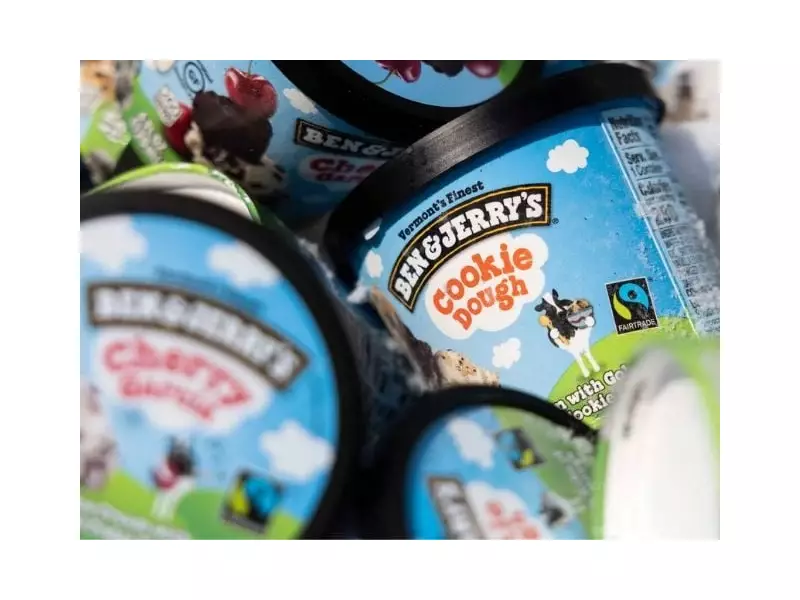
In a shocking revelation that has stirred the corporate world, Ben Cohen, the co-founder of beloved ice cream brand Ben & Jerry's, has publicly accused their parent company Unilever of deliberately blocking the launch of a special Palestine-themed ice cream flavor.
The Flavor That Never Was
The controversial flavor, which was reportedly in development stages, was intended to show solidarity with Palestinian causes. While specific details about the flavor profile remain undisclosed, sources suggest it would have incorporated traditional Middle Eastern ingredients symbolic of Palestinian culture.
Corporate Clash Over Values
Cohen didn't mince words when describing Unilever's actions, characterizing them as "suppression" and a departure from Ben & Jerry's long-standing tradition of social activism. The ice cream company has historically taken strong stances on various social and political issues, from climate change to racial justice.

"This isn't just about ice cream," Cohen emphasized in his statement. "It's about whether corporations will stand by their values when it becomes inconvenient or controversial."
Growing Pattern of Corporate Censorship?
Industry analysts note this incident reflects a broader trend of large corporations becoming increasingly cautious about taking political stances, particularly regarding the Israeli-Palestinian conflict. Many multinational companies fear backlash from various stakeholders when addressing this sensitive issue.
Unilever's Dilemma
Unilever, as a global consumer goods giant, faces the challenging task of balancing diverse market sensitivities across different regions. The company has substantial business interests in multiple countries with varying political perspectives on the Palestine issue.
Consumer Reactions and Market Impact
The revelation has sparked intense debate among consumers and activists worldwide. Social media platforms are buzzing with discussions about corporate responsibility and the right to political expression through business practices.
- Pro-Palestinian activists are calling for boycotts of Unilever products
- Free speech advocates are questioning corporate censorship boundaries
- Investors are monitoring potential financial impacts on both companies
- Industry competitors are watching the situation unfold carefully
Historical Context of Ben & Jerry's Activism
This isn't the first time Ben & Jerry's has found itself at the center of political controversy. The company has:
- Advocated for Black Lives Matter movement
- Supported marriage equality initiatives
- Campaigned against climate change
- Promoted fair trade practices globally
The current dispute raises fundamental questions about how activist brands can maintain their identity when owned by larger, more cautious parent corporations.
What's Next for the Frozen Treat Activists?
As pressure mounts on both companies, industry observers are watching to see how this corporate standoff will resolve. Will Unilever reconsider its position, or will Ben & Jerry's need to find alternative ways to express their solidarity with Palestinian causes?
The outcome of this conflict could set important precedents for how activist brands navigate corporate ownership while maintaining their social justice missions in an increasingly polarized global marketplace.