Ship traffic in the Strait of Hormuz has increased since Iran and the United States signed an interim deal to end a war that constricted global oil supplies and fueled inflation. However, unresolved questions about control of the vital waterway and potential tolls on vessels could disrupt negotiations for a lasting peace.
Recent Clashes and Traffic Data
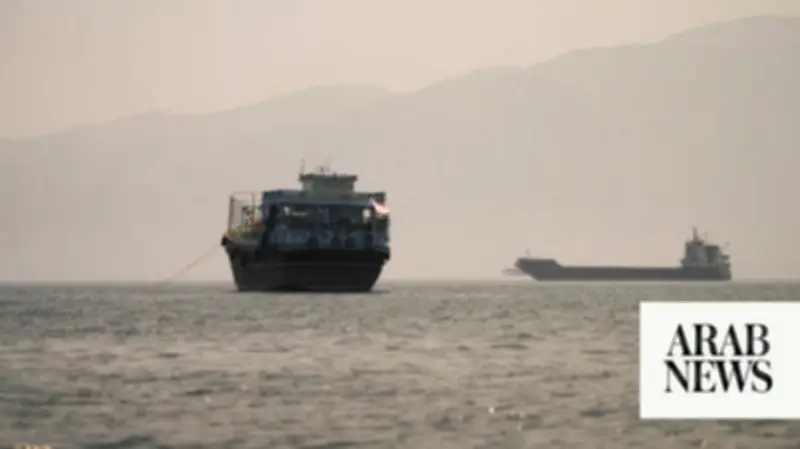
Tehran and Washington clashed again over the strait over the weekend. Citing Israeli attacks on Lebanon, Iran declared it had reclosed the strait, a claim the US quickly contested. Maritime tracking data from Kpler shows 71 ships traversed the strait between Friday and Sunday, with a peak of 35 crossings on Saturday. This is far below the pre-war daily average of 100 to 130 vessels, which prevailed before US and Israeli strikes on Iran in late February and Iran's subsequent closure of the waterway.
President Donald Trump suggested the US might impose its own tolls on strait crossings if a final deal with Iran is not reached during the 60-day negotiating period. Passage was free before the war, but Iran last month established the Arabian Gulf Strait Authority to collect money from ships and has said it still expects vessels to register.

Control and Tolls
No single country owns the Strait of Hormuz, which borders Iran and Oman. Last week's memorandum of understanding allows Iran to manage the strait temporarily while discussions with Oman and six other Gulf states define future administration and maritime services. Iran agreed not to charge tolls for 60 days. Legal experts and maritime associations stress that a toll regime would upend decades of international trade precedent.
Both Iran and the US have threatened tolls. Iran earlier demanded the right to collect tolls as a precondition for relinquishing its chokehold. The Trump administration imposed sanctions on the Arabian Gulf Strait Authority, but Trump suggested the US could impose tolls for "services rendered as the Guardian Angel to the countries of the Middle East." Shipping analysts express surprise at the control the interim deal gave Iran. Philip Belcher, marine director of Intertanko, said, "Almost all the power goes into Iran to determine the arrangements going forward in the future. This is what we really need clarity on."
Legal and Practical Challenges
Collecting tolls in the strait could violate the principle of freedom of peaceful navigation, codified by the UN Convention on the Law of the Sea (UNCLOS). The treaty provides ships the right of unimpeded transit passage through straits like Hormuz. While Oman has ratified UNCLOS, the US and Iran have not. However, maritime associations argue all nations are subject to its provisions. James Kraska, a US Naval War College professor, notes that both countries are members of the International Maritime Organization (IMO) and parties to the International Convention for the Safety of Life at Sea. Fees can only be applied at established ports or for specific services requested by a ship. "You can’t impose fees for a ship exercising its right of transit passage," Kraska said. "So the bottom line is, no — fees in this context are just not lawful."
Countries sometimes share strait maintenance costs, as Indonesia, Malaysia, and Singapore did for the Strait of Malacca, but that involved negotiated contributions, not fees on individual ships.
Current Navigation and Future Outlook
The main central route of the Strait of Hormuz remains mined and closed. Ships use the smaller northern route through Iranian waters and the southern route through Omani waters. Kpler notes that "caution is still clear" as many vessels stick to Iran's prescribed route or keep transponders off to conceal positions. As part of the interim framework, Iran said it would conduct demining within 30 days and remove obstacles. Iran's lead negotiator, Mohammad Bagher Qalibaf, stated Iran would manage the strait in accordance with international maritime law.

Disruptions could continue for months. Marcus Baker, global head of marine at Marsh, said there is "a degree of nervousness around the situation." The interim deal lacks language to keep the strait toll-free beyond the negotiating window. "We’ll see what the next six weeks brings us," Baker said. Analysts say it could take months for oil, natural gas, fertilizer, and other commodities to return to prewar levels if a final deal is cemented.