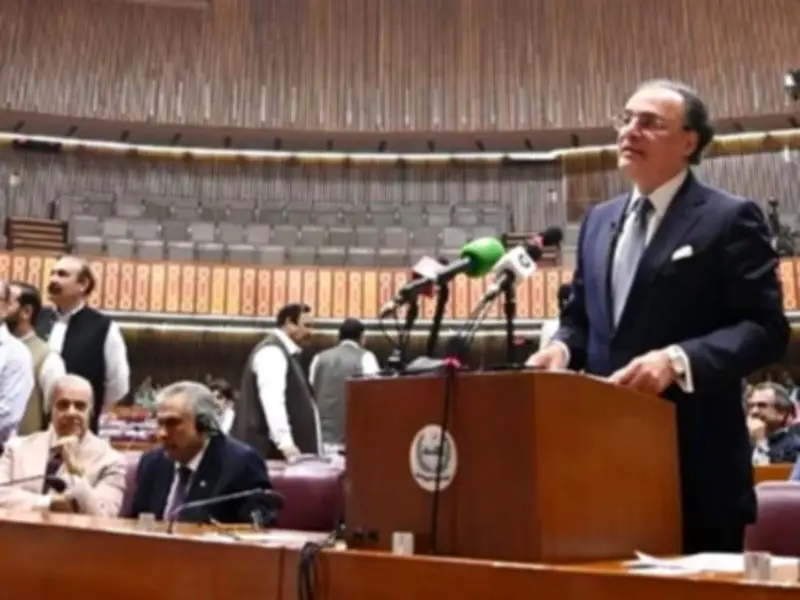
The passage of the 2026-27 annual budget last week heralds two significant tax reforms that could reshape Pakistan's fiscal landscape. The first is the continuation of ambitious tariff reforms initiated last year, focusing on reducing import duties as scheduled in the second year of the National Tariff Policy 2025-30. The second is the initiation of reforms on the income tax side, where the tax burden on the formal sector has been reduced and paired with a comprehensive overhaul of tax collection mechanisms.
Tariff Reform Policy: First-Year Results Exceed Expectations
When the tariff reform policy was unveiled in June 2025, sceptics questioned the prudence of exposing Pakistani industries to heightened competition amid soaring energy costs, elevated interest rates, and challenging business conditions. Critics cautioned that slashing tariffs could diminish customs and import-related tax revenues, traditionally a crucial source of government income. There were also apprehensions about cheaper imports flooding the market, exacerbating the current account deficit, and exerting additional pressure on foreign exchange reserves.
Yet, as the policy completes its first year, evidence tells a different story. The manufacturing sector, which many feared would suffer from import liberalisation, has instead shown notable growth. Large-scale manufacturing grew by 6.6% this financial year, compared with just 2% last year. Similarly, small-scale manufacturing grew by 6.2%. Pakistani manufacturers appear to be responding to competitive pressures by improving efficiency rather than retreating behind protectionist barriers.

Import-Related Tax Revenue Rises 12% Despite Lower Rates
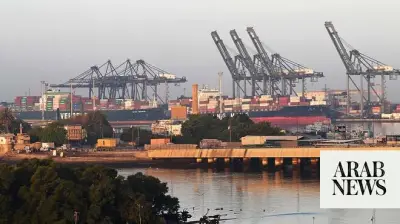
Perhaps the most surprising development has been the performance of import-related taxes including customs duty. Contrary to predictions of a 20% decline, these taxes have increased by around 12% over the past year. This outcome demonstrates that by lowering rates, governments can facilitate industry and consumers through cheaper imports, discourage illegal trade, and ultimately collect more revenue.
One of the most underappreciated successes of the policy has been its role in reducing customs duty expenditures—revenue foregone through exemptions and concessions for influential sectors. These expenditures have declined by approximately 12% this year, reversing the average annual increases of more than 22% recorded in previous years. This represents an important step towards creating a more level playing field across the economy.
Trade Deficit Widens but External Reserves Strengthen
When the policy was launched last year, not only tariffs were lowered but also restrictions on imports were relaxed. While this resulted in a significant increase in the trade deficit, it did not translate into significant pressure on either the balance of payments or foreign exchange reserves. Total liquid foreign exchange reserves rose by about 18% to approximately $22.7 billion, their highest level in several years, while the external account remained broadly in balance. These developments suggest that the increase in imports has been accommodated without undermining external stability, and that Pakistan's external position remains considerably stronger than in recent years.
Export Decline Attributed to Temporary External Factors
Maybe the only area where the tariff rationalisation policy has yet to deliver expected results is exports, which have declined by around 5%. However, a closer examination suggests that this setback is largely attributable to temporary external factors rather than the reform programme itself. In particular, lower international rice prices, an important component of Pakistan's export basket, along with disruptions to trade through Afghanistan and the instability caused by the Middle East crisis, have weighed on export performance. As these external conditions normalise, the underlying benefits of a more competitive and outward-oriented trade regime are expected to become more apparent.

Government Commitment to Reform Remains Steady
Given the overall encouraging early results, the appropriate response is one of confidence, consistency, and a steady commitment to reform. While a few industries that have historically enjoyed high levels of protection kept seeking exemptions from the tariff rationalisation process, the government mostly stood its ground and has continued with the gradual tariff reductions already made public through the National Tariff Policy 2025-30.
Overall, the tax reform-oriented budget holds the promise of ushering in positive changes across the economic landscape. By reducing tariff and tax rates and leveraging advanced technology, there is a strong potential to diminish the prevalence of the grey economy. This shift should broaden the tax base, leading to a substantial improvement in tax collection without imposing additional burdens on the formal sector, as has been the case in the past.
Future Reforms: Reassessing Advance Taxes on Imports
Looking ahead, the coming year represents an ideal opportunity to reassess the collection of various advance taxes on imports, which are later adjusted. These taxes not only create distortions within the system by being passed on as indirect taxes and subsequently reclaimed by importers through their tax returns, but they also impede international trade. As a result, they fail to benefit the FBR's revenue streams and also hurt manufacturers, especially small and medium enterprises. Successfully implementing this reform would significantly enhance Pakistan's integration into the global value chain, paving the way for economic growth and increased competitiveness on the international stage.
The writer is currently serving as an international trade arbitrator. Previously he has served as Pakistan's ambassador to the World Trade Organisation.