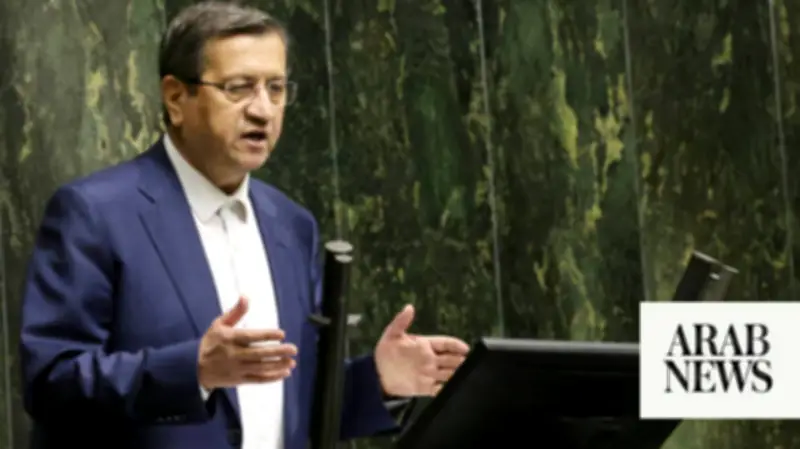
Iran's central bank governor, Abdolnaser Hemmati, stated on Tuesday that Tehran might use the frozen funds released under its agreement with Washington to purchase American farm products. However, he refuted US President Donald Trump's claim that the deal obligates Iran to spend the money exclusively on US exports.
Details of the Agreement
Hemmati, in a video message, explained that the initial $12 billion released to Tehran is intended for buying essential goods and medicine. This, he noted, would free up Iran's regular funds for other purposes. Trump had earlier declared that the funds would be used to purchase food and medical supplies solely from the United States, including corn, wheat, and soybeans from American farmers.
Hemmati reassured Iranians: "That is not true. There is no such requirement in the memoranda that were signed during the negotiations. There is no obligation to buy from the United States." He added, "However, we also see no problem with purchasing from the United States if the price and quality of essential goods — whether corn, wheat, or any other products we need — are competitive."

Sanctions and Oil Exports
Hemmati also clarified Iran's understanding of the agreement's provisions regarding sanctions on oil and petrochemical exports. During the 60-day negotiating period, Iran would be free to export petroleum products "free from sanctions-related pressures," including financial restrictions. "We would be able to deliver these products through any port, using any vessel, and receive payment into whatever accounts we designate ... so that we could freely use the proceeds," he said.
Trump has faced criticism for signing a deal with Tehran to halt the US-Iran war and begin releasing billions of dollars in frozen Iranian assets before any agreement on the future of its nuclear program. On Tuesday, he posted on social media that the frozen funds would go into a US-controlled escrow account and be used to buy vital food and medicines, not to fund Iranian re-armament.
Impact on Iran's Economy
Hemmati downplayed these restrictions, stating, "For us, it makes little difference. Every year we spend roughly $10 to $12 billion, and perhaps even closer to $15 billion, on essential goods." He explained, "If these released funds are used for those imports, then the resources we would otherwise have allocated ourselves can instead be used elsewhere or saved as reserves."
According to Hemmati, the arrangement allows Iran to redirect its own funds to other priorities, effectively increasing its financial flexibility.