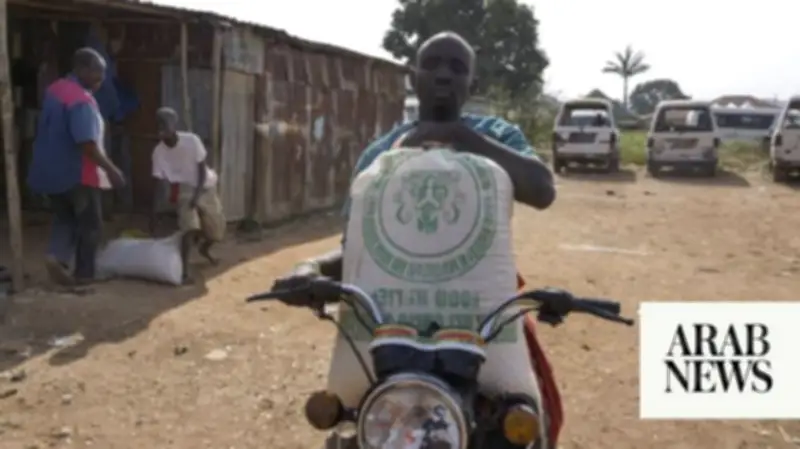
The United Nations World Food Programme (WFP) has warned that hunger across conflict-hit northern Nigeria has reached levels unseen in a decade, with more than three million people now classified as acutely food insecure. The warning comes as jihadist violence expands into new areas and international aid shrinks.
Conflict driving record hunger
The country has been battling a jihadist insurgency centered in the northeast since 2009, with a resurgence in violence since 2025. Jihadists have also been expanding into the northwest, which is already grappling with a separate crisis involving armed “bandit” gangs. According to the WFP, the spread of violence is forcing people off farmland, driving displacement, and restricting humanitarian access.
“What concerns us most is how this crisis is expanding,” said Kinday Samba, WFP regional director for west and central Africa, in a statement. He noted that violence is spreading “across a much wider area,” exacerbating food insecurity.

Aid cuts and economic reforms worsen situation
Aid cuts under US President Donald Trump and other Western nations have hit Nigeria’s poorest households in recent years. Simultaneously, the International Monetary Fund reported last month that poverty has risen under President Bola Tinubu, whose economic reforms—while supported by economists—have driven punishing inflation.
The WFP stated that the number of areas too dangerous for its operations has doubled, with 15 additional locations now considered partially inaccessible for frontline staff. Government control remains weak outside urban centers, leaving vast rural areas vulnerable to attacks by armed groups.
Over 17 million facing crisis-level hunger
More than 17 million people across northern Nigeria “are experiencing crisis, emergency, or catastrophic levels of hunger,” the WFP said. “Nigeria’s food security crisis is worsening faster than previously anticipated,” it added. “Conflict is driving hunger in some northern states, particularly the northeast, to levels not seen in almost a decade.”
In Borno state, the epicenter of the jihadist conflict, over three million people are acutely food insecure, including 10,000 people facing catastrophic hunger. However, the WFP’s footprint is shrinking due to a donor shortfall. During the peak of the 2025 “lean season”—when previous year’s food stocks run low and current crops are not yet ready—the agency delivered food and nutrition aid to 1.3 million people. Amid “extreme funding shortfalls,” it projects reaching slightly over half that number this year.