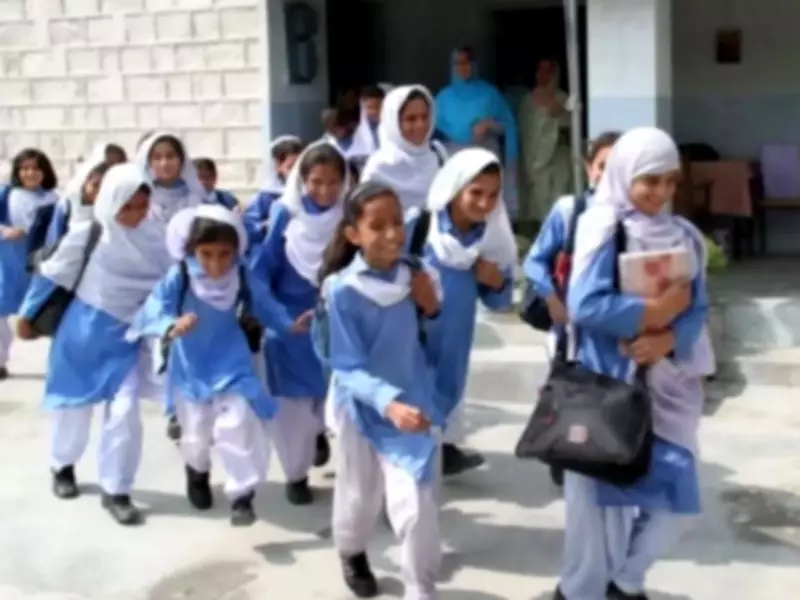
Punjab's education system is grappling with a deepening enrolment crisis, as the number of out-of-school children has surged past the 3 million mark. This alarming statistic highlights the persistent challenges in achieving universal primary education in Pakistan's most populous province.
Scope of the Crisis
According to recent data from the Punjab Education Department, the province has witnessed a steady decline in school enrolment rates over the past five years. The crisis is particularly acute in rural areas, where poverty, lack of infrastructure, and cultural barriers keep children away from classrooms. In some districts, enrolment rates have dropped by as much as 15% since 2020.
Factors Contributing to the Decline
Several factors have contributed to this worrying trend. Economic hardships, exacerbated by inflation and rising living costs, have forced many families to prioritize immediate income over education. Additionally, the quality of education in public schools remains a significant concern, with overcrowded classrooms, insufficient teachers, and outdated curricula failing to attract and retain students.

- Economic Pressures: Many parents cannot afford school fees, uniforms, or supplies, leading to dropouts.
- Infrastructure Gaps: Lack of schools in remote areas forces children to travel long distances, increasing dropout rates.
- Cultural Norms: In some communities, especially for girls, early marriage and domestic responsibilities take precedence over schooling.
Impact on Future Generations
The deepening crisis poses a serious threat to Punjab's future workforce and economic development. With millions of children missing out on education, the province risks perpetuating a cycle of poverty and low productivity. Education experts warn that without urgent intervention, the region could face a severe skills shortage in the coming decades.
Government Response
The Punjab government has acknowledged the crisis and announced several initiatives to address it. These include the establishment of new schools in underserved areas, the provision of free textbooks and meals, and the launch of awareness campaigns to encourage enrolment. However, critics argue that these measures are insufficient and call for more comprehensive reforms, including increased funding for education, better teacher training, and stricter enforcement of compulsory education laws.
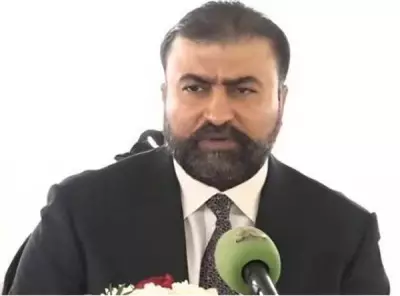
In a recent statement, the Punjab Education Minister said, "We are committed to ensuring that every child in Punjab has access to quality education. Our new policies aim to remove barriers and create an enabling environment for learning." Despite these assurances, the scale of the challenge remains daunting.
Way Forward
To reverse the trend, stakeholders emphasize the need for a multi-pronged approach. This includes not only government action but also community involvement and private sector partnerships. Non-profit organizations and international donors have stepped in to support educational initiatives, but long-term solutions require sustained political will and resource allocation.
- Invest in Infrastructure: Build more schools and improve facilities in existing ones to create a conducive learning environment.
- Teacher Training: Enhance the quality of teaching through professional development programs and better incentives.
- Community Engagement: Work with local leaders to change attitudes towards education, especially for girls.
- Financial Support: Provide conditional cash transfers or scholarships to families to offset the cost of schooling.
As Punjab's enrolment crisis continues to deepen, the urgency for action has never been greater. The future of millions of children and the province's development hang in the balance.