Punjab Government Launches Major Low-Carbon Agriculture Initiative in Faisalabad
The Punjab Agriculture Department has officially inaugurated a groundbreaking program aimed at transforming the agricultural sector through sustainable practices. Titled “Sustainable Agricultural Development through Low Carbon Technology,” the initiative was launched at a ceremony in Faisalabad, marking a significant step toward modernizing farming in the region.
High-Level Attendance and Key Participants
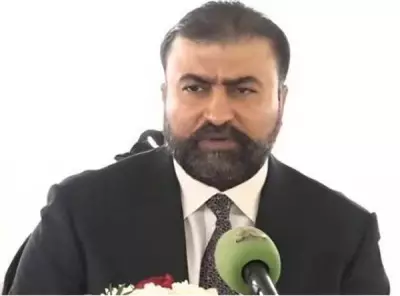
The event saw the participation of prominent officials and international representatives, underscoring its importance. Parliamentary Secretary for Agriculture Usama Khan Laghari graced the occasion as the chief guest, while Secretary Agriculture Punjab Iftikhar Ali Sahu provided detailed insights into the program's framework.
Other notable attendees included:

- Xiaoqin Emma Fan, Country Director of the Asian Development Bank
- Qingfeng Zhang, Director of Agriculture and Food Security for Central and South Asia
- Agha Nabeel Akhtar, Special Secretary of Agriculture
- Muhammad Shabbir Ahmed Khan, Additional Secretary of Agriculture (Task Force) Punjab
- Kashif Bashir, Deputy Secretary of Agriculture (Planning)
- Directors General of Agriculture
- A large gathering of local farmers
Government Commitment and Financial Allocations
In his address, Parliamentary Secretary Usama Khan Laghari highlighted the government's unwavering dedication to agricultural advancement. He revealed that over the past two years, the present administration has invested a substantial Rs 66 billion in promoting agricultural machinery. This investment is projected to not only boost agricultural production but also significantly lower production costs for farmers, enhancing their profitability and sustainability.
Program Details and Subsidies
Secretary Agriculture Punjab Iftikhar Ali Sahu elaborated on the specifics of the new program. He announced that a total of Rs 36.12 billion has been earmarked specifically for the mechanized sowing and harvesting of key crops such as wheat and rice. This funding is part of a broader strategy to integrate low-carbon technologies into farming practices, reducing environmental impact while improving efficiency.
To facilitate this transition, the government will provide agricultural machinery to farmers at a generous 30 percent subsidy, making advanced equipment more accessible. Additionally, plans are underway to establish a dedicated training institute. This institute will focus on training agricultural machinery operators and mechanics, ensuring that farmers have the necessary skills to utilize new technologies effectively and maintain equipment over the long term.
Broader Implications and Future Outlook
This initiative represents a pivotal move toward sustainable agriculture in Punjab, aligning with global trends in environmental conservation and economic resilience. By combining financial support with educational resources, the program aims to create a more robust and eco-friendly agricultural sector. The involvement of international bodies like the Asian Development Bank further emphasizes the program's potential for regional impact and its alignment with global development goals.
As the program rolls out, it is expected to not only enhance crop yields and reduce costs but also contribute to Pakistan's efforts in combating climate change through reduced carbon emissions in farming activities.