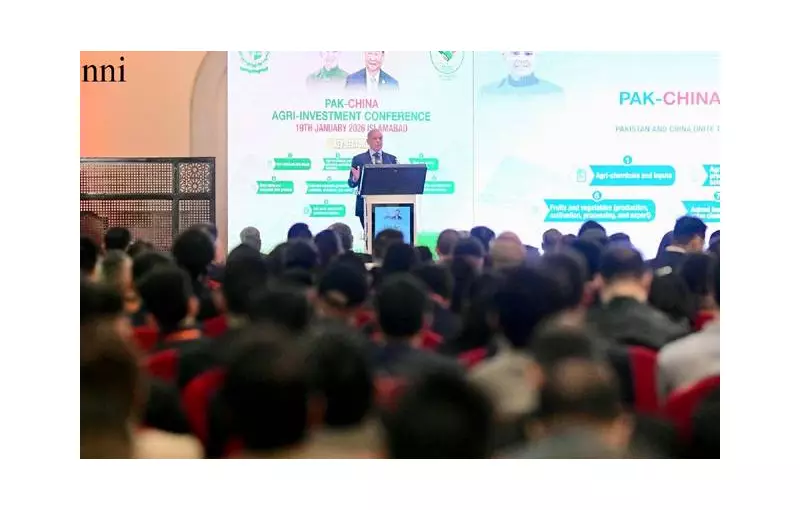
Prime Minister Shehbaz Sharif has declared that Pakistan stands on the brink of a major agricultural transformation, with advanced Chinese technology serving as the primary catalyst. He emphasized that embracing modern, smart farming techniques is not just an option but a necessity for the nation's food security and economic prosperity.
A Vision for Modernization and Collaboration
The Prime Minister made these remarks during a meeting focused on the agriculture sector, which was held in Islamabad on January 20, 2026. He directed relevant authorities to immediately prepare a comprehensive framework for collaboration with China. This framework aims to facilitate the transfer of cutting-edge agricultural technologies and practices to Pakistani farmers.
Shehbaz Sharif highlighted the critical need to move away from traditional farming methods. He pointed out that Chinese technology in areas like seed development, water-efficient irrigation, and smart crop management could dramatically increase per-acre yield. This boost in productivity is seen as essential for ensuring Pakistan's food self-sufficiency and creating a surplus for export.

From Traditional to Tech-Driven Farming
The Prime Minister outlined a clear vision where Pakistani farmers would gain access to modern tools and knowledge. He stressed that adopting these innovations would lead to higher-quality produce, better resource management, and ultimately, greater profitability for the farming community. The goal is to empower farmers with science and data, transforming agriculture into a more efficient and lucrative enterprise.
Shehbaz Sharif firmly stated that the government is fully committed to providing all necessary resources and support to make this technological leap possible. He sees this partnership as a cornerstone for building a resilient agricultural economy that can withstand challenges like climate change and water scarcity.
Building a Sustainable Future
The meeting concluded with a sense of urgency and purpose. The directives issued by the PM are expected to kickstart a new era of agricultural transformation in Pakistan. By leveraging Chinese expertise in smart farming, the government aims to not only enhance crop output but also improve the livelihoods of millions associated with the agriculture sector.
This initiative is poised to position Pakistan as a modern agricultural player, capable of meeting domestic demands and competing in international markets. The successful implementation of this tech-driven strategy could mark a historic shift in the country's approach to one of its most vital economic pillars.