Pakistan's maritime ministry has declared that a proposed $3 billion investment by Hong Kong-based Hutchison Ports to expand container handling facilities at Karachi's ports raises legal, contractual, and regulatory concerns. The statement came after Arab News reported last week that the project had stalled due to concession agreement and procurement-related hurdles.
Proposal Details and Concerns
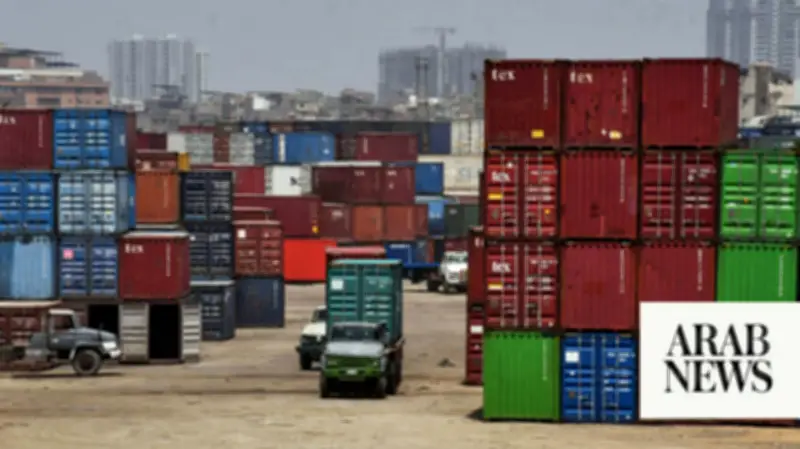
The proposed investment would expand operations at South Asia Pakistan Terminal (SAPT) and Karachi International Container Terminal (KICT), develop new logistics facilities, and increase container-handling capacity. This aligns with Pakistan's goal to become a regional transit and transshipment hub linking South Asia, Central Asia, and the Middle East. However, the maritime ministry, in a statement outlining Karachi Port Trust's (KPT) assessment, noted that the proposal would materially alter terms of existing Implementation Agreements for KICT and SAPTL, which are already operated by Hutchison Ports.
According to the ministry, the proposal involves physical expansion beyond currently leased areas, with no such provision in the current agreements, and development of some infrastructure outside KPT's jurisdiction, requiring approvals from other authorities. KPT also expressed concerns about competition and procurement requirements, stating that Hutchison's proposal seeks extended concession rights and preferential treatment that would limit fair competition and conflict with public procurement and transparency rules.

Concession Agreement Issues
One key issue highlighted by Hutchison officials in the June 19 report was the impact of the KGTL concession agreement, signed between KPT and UAE's AD Ports Group in June 2023 under a government-to-government (G2G) framework. That agreement includes a clause restricting the establishment of a new terminal until certain throughput levels are reached. The maritime ministry affirmed that KPT is legally bound to honor the agreed terms with international firms.
Hutchison officials had argued that additional capacity would be needed if Afghan transit trade resumes, Central Asian trade expands, and commercial links with Iran recover. They also noted that major container terminals in Karachi and Port Qasim are operating at up to 80 percent capacity.
Capacity and Investment Timeline
The maritime ministry countered that there is no immediate capacity shortage at SAPT, which has an annual handling capacity of about 3.1 million TEUs but a current throughput of roughly 1.5–1.6 million TEUs, or about 50 percent utilization. The ministry also revealed that the area identified in Hutchison's proposal has attracted interest from other international investors willing to invest massively within a far shorter timeframe under a G2G framework.
Furthermore, the ministry noted that Hutchison's proposed $3 billion investment would be spread over a prolonged period of more than 50 years, along with certain concessions, conditions, and exclusivities. KPT values its partnership with Hutchison Ports but maintains that any future arrangement must comply with existing agreements and Pakistani law. KPT remains committed to engaging with Hutchison and other prospective investors interested in the long-term development of Karachi Port and Pakistan's maritime sector.