Pakistan recorded the fastest narrowing of the mobile Internet gender gap among 14 low- and middle-income countries surveyed by the global mobile industry body GSMA, according to its 2026 report. However, 28 percent of Pakistani women who use mobile Internet still rely entirely on someone else's phone, limiting their privacy and independence.
Key Findings of the GSMA Mobile Gender Gap Report 2026
The GSMA Mobile Gender Gap Report 2026 found that Pakistan's mobile Internet gender gap narrowed from 25 percent in 2024 to 8 percent in 2025. This improvement was driven by a rise in women's mobile Internet use from 45 percent to 53 percent, while men's usage remained largely unchanged.
Despite this progress, Pakistan continued to have the widest mobile phone ownership gender gap among all countries surveyed. Only 68 percent of women own a mobile phone compared with 93 percent of men. The report also highlighted that 28 percent of Pakistani women who use mobile Internet access it exclusively on someone else's phone, compared with just 4 percent of men.

Impact of Shared Device Usage on Women
While shared devices help more women get online, the report found that they also limit how frequently women use the Internet and the range of activities they perform online, while reducing privacy and independence. Among Pakistani women who own an Internet-enabled handset, 94 percent use mobile Internet every day. Among women relying on shared devices, daily use falls to 48 percent, and 29 percent said having to share a phone itself limited how much they could use the Internet.
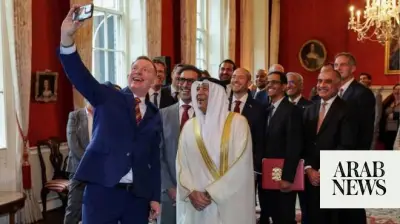
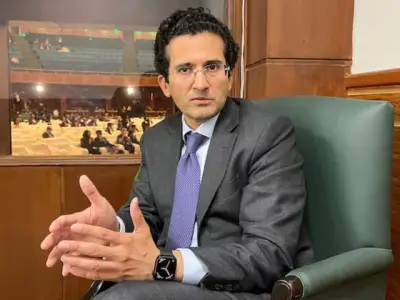
Julian Gorman, head of Asia Pacific at GSMA, said at the report's launch in Islamabad: "Pakistan stands out as one of the strongest performers among the countries surveyed. The substantial reduction in the gender gap reflects meaningful progress driven by collective effort. Ensuring women have access to their own devices and a supportive digital ecosystem will be critical to maintaining this momentum."
Digital Dependence vs. Digital Inclusion
Digital rights activist Nighat Dad, founder of the Digital Rights Foundation, highlighted the distinction between having Internet access and owning the device that provides it. "She's online on someone else's terms," Dad told Arab News. "When a woman's only route to the Internet runs through a husband's, father's or brother's phone, every search, every message is visible to the phone's owner."
Women in that situation often avoid searching for health information, reporting online harassment, or having private conversations because they know their activity can be monitored, she said. The Digital Rights Foundation's cyber harassment helpline regularly hears from women whose Internet access is controlled by family members, a pattern Dad said is reflected in the GSMA's findings. "This is not digital inclusion, it is digital dependence," she added.
Progress in Smartphone Ownership
Smartphone ownership also improved during the year, with the gender gap narrowing from 48 percent to 30 percent as women's smartphone ownership rose from 30 percent to 40 percent. Despite that progress, Pakistan remained the country with the largest gap in mobile ownership among those surveyed.
The report identified literacy and digital skills as the biggest barriers preventing Pakistani women who were aware of mobile Internet from using it, cited by 40 percent of respondents. Pakistan was also the only country surveyed where social norms ranked as the second most commonly reported barrier for women, with 23 percent citing family disapproval compared with 14 percent of men.
Global Context and Call to Action
Pakistan's improvement came as women across low- and middle-income countries remained 12 percent less likely than men to use mobile Internet, leaving an estimated 810 million women offline globally. Claire Sibthorpe, GSMA's head of digital inclusion, said in a statement: "While there has been a slow narrowing of the mobile gender gap since 2022, much more is needed." She warned that emerging technologies, including artificial intelligence, risk widening existing digital inequalities unless more women gain affordable, independent access to mobile Internet.

The GSMA estimates that closing the mobile Internet gender gap across low- and middle-income countries could add $1.3 trillion to their combined gross domestic product by 2030.