Pakistan on Monday announced the discontinuation of subsidies provided to motorcycle owners, farmers, and public transporters during the United States-Iran conflict, attributing the decision to a decline in global and domestic fuel prices.
Background of the subsidies
In early April, Pakistan introduced a range of targeted relief measures as petrol prices soared to Rs458.41 ($1.65) per liter and diesel hit Rs520.35 ($1.87) per liter. The measures included free public transport in Islamabad, fare freezes on Pakistan Railways, and subsidies for transporters, farmers, and motorcycle users across the country.
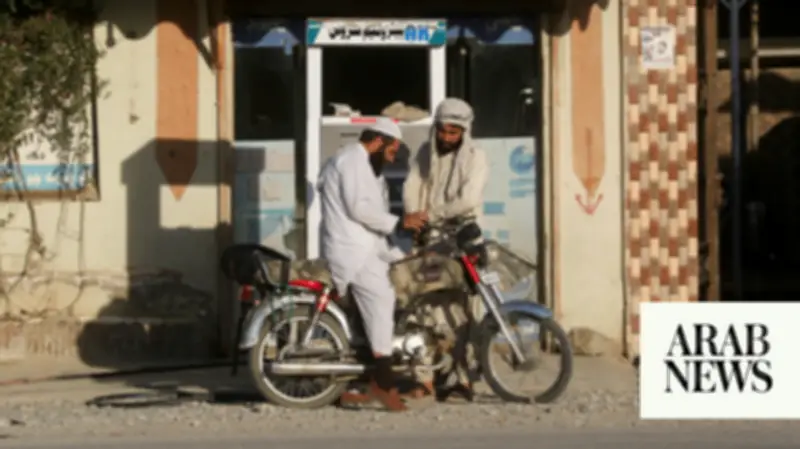
Under the scheme, passenger buses received Rs100,000 ($357) per month, minibuses and vans got Rs40,000 ($143) per month, and truck owners were provided Rs70,000 ($250) monthly. Heavy freight vehicles received Rs80,000 ($286), while delivery vans were paid Rs35,000 ($125) per month. Motorcycle, rickshaw, and up to 800cc vehicle owners benefited from subsidies ranging from Rs50 ($0.18) to Rs100 ($0.36) per liter.

Decision to end subsidies
Deputy Prime Minister Ishaq Dar chaired a meeting of the National Steering Committee on Fuel Subsidy, which reviewed the subsidies given to motorcyclists, small farmers, and public and goods transporters in all provinces, Azad Kashmir, and Gilgit-Baltistan. The committee noted that global fuel prices have declined sharply, and the benefit has already been passed on to consumers. Dar announced on X: “The Committee noted that global fuel prices have declined sharply, the benefit of which has already been passed on to the consumers, and agreed to discontinue the subsidy with the approval of the Prime Minister.”
Fuel price reductions
The development comes days after Pakistan slashed the prices of petrol and high-speed diesel by Rs74 ($0.27) and Rs67 ($0.24) per liter, respectively. This followed an interim US-Iran deal to end their war and reopen the Strait of Hormuz, a maritime chokepoint handling a fifth of the world’s petroleum that had been shut since early March. The significant cut in fuel prices followed several reductions since both sides agreed to a ceasefire in early April.
Last week, Pakistan also announced an end to emergency fuel conservation and austerity measures imposed during the conflict, following a peace agreement between Washington and Tehran that eased pressure on global oil markets. The measures were introduced after the conflict disrupted energy supplies and shipping through the Strait of Hormuz, driving up oil prices for import-dependent countries such as Pakistan.