Pakistan announced on Tuesday that Iran is interested in sourcing up to 60 percent of its meat imports from Pakistan, as the two countries agreed to fast-track existing agricultural trade commitments and expand cooperation in livestock, food security, and farm trade.
Meeting on Sidelines of Iranian President's Visit
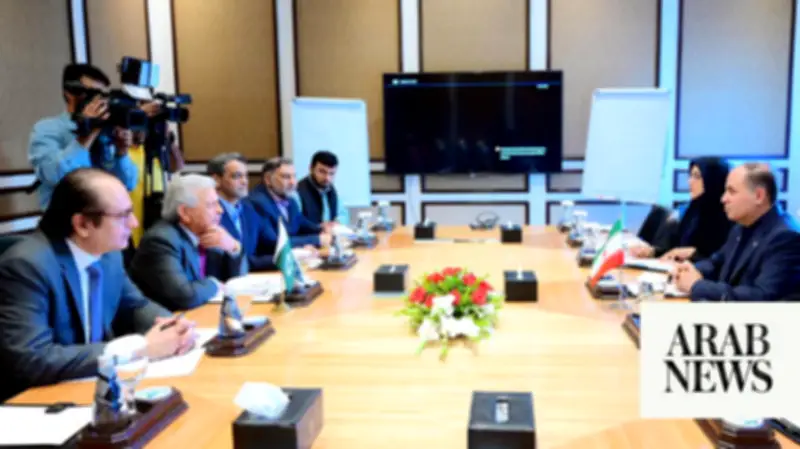
Pakistan's Food Security Minister Rana Tanveer Hussain met Iran's Agriculture Minister Gholamreza Nouri Ghezeljeh on the sidelines of Iranian President Masoud Pezeshkian's visit to Islamabad on June 23, 2026. The talks focused on increasing bilateral trade in agricultural products, including meat, rice, and mangoes, and removing procedural bottlenecks hindering commerce between the neighboring countries.
Iran's Intention to Import Meat
According to a statement from Pakistan's food security ministry, the Iranian minister highlighted Iran's intention to import meat from Pakistan and stated that Pakistan has the capacity to fulfill up to 60 percent of Iran's total meat import requirements. He expressed confidence in the quality and standards of Pakistani livestock products and underscored the importance of establishing efficient trade mechanisms to ensure uninterrupted supplies.

Pakistan's Agricultural Production Capacity
Minister Hussain recalled a visit to Iran last year during which Tehran had expressed interest in importing Pakistani rice, mangoes, and meat to meet domestic demand. He said Pakistan had significant agricultural production capacity and was capable of supplying high-quality products to the Iranian market.
Implementation of Commitments
Both ministers reviewed progress on previous understandings and agreed that commitments reflected in a joint communiqué would be implemented within the next two months. The two sides directed relevant authorities to expedite procedural requirements and remove bottlenecks hindering trade growth.
Pakistan-Iran Joint Working Committee on Agriculture
The meeting also reviewed the status of the Pakistan-Iran Joint Working Committee on Agriculture. The Iranian minister said the committee had already been constituted and stressed the need to make it fully operational so agreed targets could be achieved within stipulated timelines. Both countries agreed to hold regular meetings of the committee and establish stronger coordination mechanisms between technical experts and relevant institutions.
Broader Cooperation in Agriculture and Food Security
The Pakistani ministry said the ministers also discussed cooperation in agriculture, livestock, agricultural research, and food security, and reaffirmed their commitment to translating existing agreements into practical outcomes for farmers, traders, and consumers in both countries.