T20 World Cup Commences Amidst Political Controversy and High Stakes
The much-anticipated T20 World Cup is set to begin this Saturday, but the excitement has been heavily overshadowed by a series of political disputes and team withdrawals that have marred the build-up to this global cricketing event. The tournament, which promises thrilling matches and fierce competition, finds itself embroiled in controversy even before the first ball is bowled.
Opening Matches and Tournament Favorites
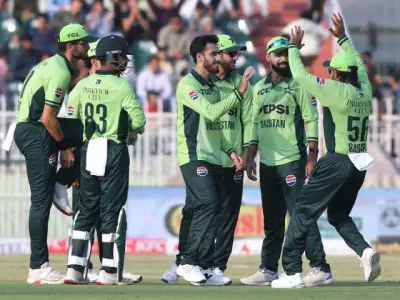
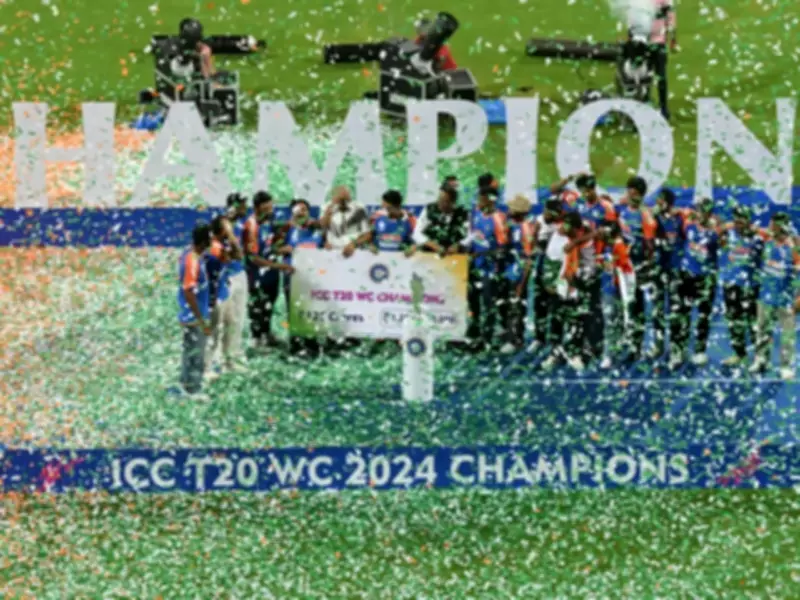
When the action finally gets underway, Pakistan will launch their campaign against the Netherlands in Colombo, setting the stage for what could be a challenging tournament for them. Meanwhile, defending champions and tournament favorites India will make their debut in the night match on day one, facing off against the United States in Mumbai. Led by the dynamic Suryakumar Yadav, India carries the immense hopes of over a billion home supporters and is widely expected to cruise into the Super Eight stage from Group A.
However, India must remain cautious of the United States, a team that has already demonstrated its capability to upset cricketing giants by shocking Pakistan to secure a spot in the Super Eights back in 2024. This match could prove to be more than just a formality for the favorites.

Strong Contenders and Key Absences
Former champions Australia and England are also positioned as strong contenders to lift the trophy, potentially denying India a record second consecutive title. The Australian squad, however, has been dealt a significant blow with the absence of pace spearhead Pat Cummins, who has been ruled out due to a lower back injury. Additionally, pace bowler Josh Hazlewood will miss the early stages as he recovers from hamstring and Achilles issues.
Under the leadership of Mitchell Marsh, Australia is still anticipated to advance comfortably from Group B, which includes Ireland, co-hosts Sri Lanka, Oman, and Zimbabwe. Their first match against Ireland on Wednesday will be a crucial test of their depth and resilience.
England, brimming with confidence after a commanding 3-0 T20 series victory in Sri Lanka this week, is expected to progress from Group C. This group features two-time winners West Indies, debutants Italy, Nepal, and Scotland. Harry Brook, who has faced intense scrutiny following an incident with a night club bouncer in New Zealand last year, will lead England in a global tournament for the first time since taking over as white ball captain from Jos Buttler.
Tournament Dynamics and Debutants
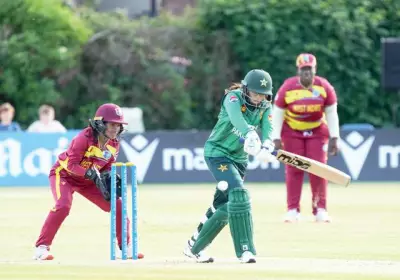
Scotland, having received an 11th-hour call-up to replace Bangladesh, will begin their campaign on the opening day against the West Indies in Kolkata. In a historic moment, football powerhouse Italy will make its first-ever appearance at a cricket World Cup, kicking off against Scotland in Kolkata on Monday.
South Africa, the runners-up in 2024, enter the tournament with renewed optimism after winning the World Test Championship last year, though they have never clinched a white ball World Cup title. They face a formidable challenge in Group D, which includes dangerous opponents like New Zealand and Afghanistan. Their journey starts with a match against Canada on Monday in Ahmedabad, with the UAE rounding out the group.
The tournament structure will see the top two teams from each of the four groups of five advance to the Super Eights, with the top four ultimately progressing to the semi-finals, ensuring a competitive and unpredictable path to the final.
Political Turmoil and Team Withdrawals
There will be a collective sigh of relief when the cricketing action finally begins this weekend, following weeks of political posturing that has dominated the lead-up to the 10th edition of this prestigious tournament. The political landscape has significantly impacted team participation and scheduling.
Bangladesh was expelled from the tournament by the International Cricket Council (ICC) after refusing to play in India, citing security concerns amid deteriorating relations between the two nations. The ICC, led by Jay Shah—former secretary of the Indian cricket board and son of powerful Indian home minister Amit Shah—made the decision to remove Bangladesh from England's Group C.

Pakistan, which had supported Bangladesh's plea to relocate their games to Sri Lanka, received clearance from the Islamabad government to participate. However, they have been instructed not to play the marquee group clash against arch-rivals India on February 15. According to media reports, the ICC is still awaiting formal communication from the Pakistan Cricket Board regarding this boycott, leaving a slight possibility for a last-minute agreement to salvage the match.
Consequences of the Boycott
If India is awarded a walkover due to Pakistan's boycott, Pakistan will forfeit two points and suffer a significant blow to their net run rate. This could severely hamper their qualification chances, especially if any of their other three Group A matches are affected by weather conditions. The boycott is also expected to result in millions of dollars in lost revenue for broadcasters and will be a major disappointment for fans on both sides of the border.
The crisis was ignited last month when India's cricket board directed the IPL's Kolkata Knight Riders to drop Bangladeshi fast bowler Mustafizur Rahman, a move that further strained political relations between the neighboring countries. The tournament will culminate with the final on March 8, to be held in either Ahmedabad or Colombo, depending on whether Pakistan advances that far.