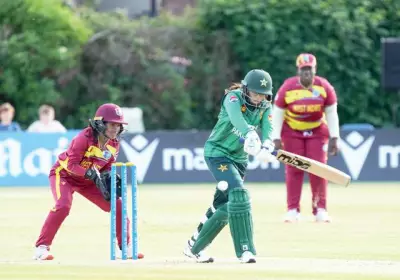
Pakistan Coach Gary Hesson Addresses Babar Azam's Omission from T20 Squad
In a recent statement that has stirred significant discussion within the cricketing community, Pakistan's head coach Gary Hesson openly explained the decision to drop star batsman Babar Azam from the national T20 squad. Hesson attributed this move primarily to Azam's perceived slow scoring rate, which he believes does not align with the aggressive demands of modern T20 cricket. This revelation comes amid ongoing efforts by the Pakistan Cricket Board to revamp the team's approach and performance in shorter formats, aiming for a more dynamic and high-scoring strategy.
Strategic Shift in Pakistan's T20 Approach
Gary Hesson, who took over as Pakistan's coach earlier this year, emphasized that the team is undergoing a strategic transformation focused on increasing run rates and adopting a more attacking mindset. He pointed out that while Babar Azam is undoubtedly a talented and consistent player, his strike rate in T20 matches has often fallen below the desired threshold for top-order batsmen in this fast-paced format. Hesson stated, "We need players who can accelerate from the start and maintain pressure on the opposition, and unfortunately, Azam's recent performances have not met these criteria." This decision reflects a broader trend in international cricket, where teams are prioritizing explosive batting over traditional accumulation, especially in powerplay overs.
Impact on Team Dynamics and Fan Reactions
The exclusion of Babar Azam, a former captain and one of Pakistan's most prolific run-scorers, has sparked mixed reactions from fans and analysts alike. Some supporters have expressed disappointment, arguing that Azam's class and experience are invaluable assets that should not be overlooked based solely on strike rate metrics. Others, however, support Hesson's bold move, citing the need for Pakistan to adapt to evolving T20 tactics seen in leagues like the IPL and Big Bash. Hesson acknowledged the controversy but remained firm, stating that such decisions are necessary for long-term success and that Azam could return if he demonstrates improved scoring intent in domestic or franchise cricket.

Future Prospects for Babar Azam and Pakistan Cricket
Looking ahead, this development raises questions about Babar Azam's future role in the national team and Pakistan's overall cricketing strategy. Hesson hinted that the door is not closed for Azam, encouraging him to work on his game and prove his adaptability in high-pressure situations. Meanwhile, the Pakistan Cricket Board is likely to continue its focus on nurturing younger, more aggressive batsmen to fill the void. This episode underscores the increasing emphasis on data-driven selection in cricket, where metrics like strike rate and boundary percentage are becoming as crucial as traditional averages. As Pakistan prepares for upcoming T20 series and tournaments, all eyes will be on how this new approach translates into on-field results and whether it can propel the team to greater heights in the competitive world of international cricket.