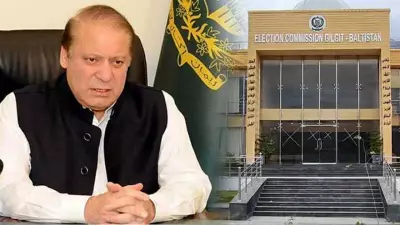
Pakistan Peoples Party (PPP) leader and former MPA, Shafqat Mahmood Shah, has brought the critical challenges facing Sindh province into sharp focus. In a recent address, he highlighted a series of pressing issues that demand immediate attention from the provincial government and relevant authorities.
Core Issues Plaguing the Province
Shafqat Shah pinpointed several fundamental problems crippling Sindh's development and the daily lives of its citizens. The severe shortage of clean drinking water stands as a primary concern, affecting millions across urban and rural areas. This crisis is compounded by an unreliable and expensive electricity supply, with frequent and prolonged power outages disrupting homes, businesses, and essential services.
Beyond infrastructure, Shah emphasized deep-rooted governance failures. He criticized the performance of various provincial departments, alleging inefficiency and a lack of tangible results for the public. The situation in Karachi, Sindh's economic hub, received particular mention. Shah lamented the city's deteriorating condition, pointing to problems with sanitation, water supply, and overall municipal management that have persisted despite political promises.

A Call for Action and Accountability
The PPP leader's statements serve as a direct call to action for the ruling setup in the province. He stressed that the people of Sindh are growing increasingly frustrated with the gap between official claims and the reality on the ground. There is an urgent need for practical solutions and effective implementation to address these chronic issues.
Shah urged the provincial government to prioritize these challenges and demonstrate clear progress. His critique underscores a demand for greater accountability and performance from those in power, highlighting that the citizens' patience is wearing thin amidst ongoing struggles with basic amenities.
Political Implications and Public Sentiment
This forthright analysis from a senior party figure carries significant political weight. It reflects internal pressures and the public's growing discontent with the state of affairs in Sindh. By vocalizing these concerns, Shah is aligning himself with the common citizen's grievances, which range from the high cost of living to the lack of reliable public utilities.
The spotlight on Karachi's issues is especially poignant, given the city's importance to the national economy. The continued neglect of its infrastructure and governance problems not only affects local residents but also has broader repercussions for Pakistan's economic stability and growth.
In conclusion, Shafqat Mahmood Shah's highlighting of Sindh's challenging issues paints a picture of a province at a critical juncture. The core problems of water, power, and governance require decisive and transparent action. Whether this call from within the political ranks leads to a renewed focus and improved outcomes for the people of Sindh remains to be seen, but it undoubtedly amplifies the urgent need for change.