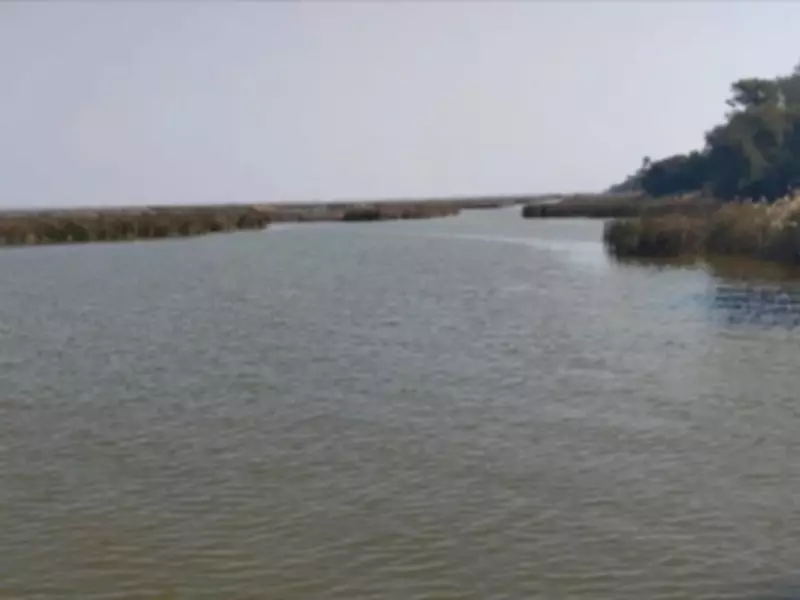
Haleji Lake's Ecological Crisis Intensifies on World Wetlands Day
As the world commemorates World Wetlands Day, Pakistan's renowned Haleji Lake is grappling with a severe and escalating ecological crisis. This vital wetland, located in Sindh province, faces multiple threats that are endangering its biodiversity and the communities that depend on it.
Key Threats to Haleji Lake
The ecological health of Haleji Lake is deteriorating due to a combination of human activities and environmental factors. Pollution from agricultural runoff and industrial waste has contaminated the water, while encroachment by settlements and farms is reducing the lake's natural area. Additionally, water scarcity exacerbated by climate change and poor water management is lowering water levels, further stressing the ecosystem.
Impact on Biodiversity and Local Communities
Haleji Lake is a critical habitat for numerous species, including migratory birds, fish, and aquatic plants. The ongoing degradation threatens this biodiversity, with potential long-term consequences for the region's ecological balance. Local communities, who rely on the lake for fishing, agriculture, and tourism, are also suffering as their livelihoods become increasingly precarious.

Call for Action on World Wetlands Day
On this World Wetlands Day, environmentalists and conservation groups are urging immediate action to address the crisis at Haleji Lake. Proposed measures include:
- Implementing stricter pollution controls and waste management practices.
- Enforcing laws against illegal encroachment to protect the lake's boundaries.
- Promoting sustainable water use and conservation initiatives.
- Raising public awareness about the importance of wetland preservation.
The situation at Haleji Lake serves as a stark reminder of the global challenges facing wetlands. Without concerted efforts, this ecological treasure could be lost, highlighting the need for Pakistan to prioritize wetland conservation as part of its environmental policy.