Peshawar's Urban Decay: A Crisis of Political Neglect
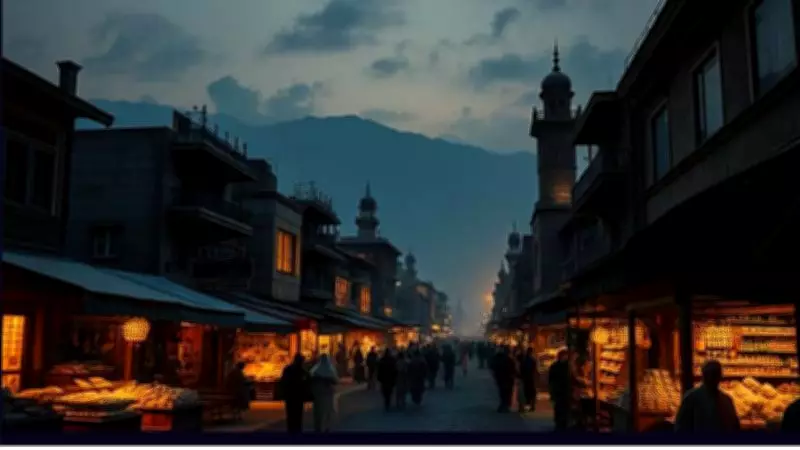
The provincial capital of Khyber Pakhtunkhwa, Peshawar, is grappling with severe urban decay, a situation largely attributed to political neglect that has stalled critical development projects. This deterioration is evident in crumbling infrastructure, inadequate public services, and a general decline in the city's livability, raising concerns among residents and urban planners alike.
Infrastructure Projects Stalled Amid Governance Failures
Key infrastructure initiatives in Peshawar have been halted or delayed due to a lack of political will and administrative inefficiencies. Projects aimed at improving transportation, water supply, and waste management systems remain incomplete, exacerbating the city's urban challenges. The absence of coordinated efforts between provincial and local authorities has further hindered progress, leaving many areas in disrepair.
Residents express frustration over the deteriorating conditions, citing issues such as poor road networks, frequent power outages, and insufficient healthcare facilities. These problems not only affect daily life but also deter potential investments, undermining the city's economic prospects. Urban experts warn that without immediate intervention, Peshawar's decay could become irreversible, impacting its status as a key regional hub.

Political Dynamics and Their Impact on Urban Development
The political landscape in Khyber Pakhtunkhwa has played a significant role in the stagnation of Peshawar's development. Shifts in leadership and policy priorities have led to inconsistent funding and attention for urban renewal projects. This neglect is seen as a broader reflection of governance issues that plague many provincial capitals in Pakistan, where political agendas often overshadow public welfare needs.
Analysts point out that the lack of long-term planning and accountability has resulted in fragmented efforts, with no cohesive strategy to address the city's growing population and urbanization pressures. The situation is compounded by bureaucratic red tape and corruption, which delay essential services and infrastructure upgrades.
Consequences for Peshawar's Future and Regional Implications
The ongoing urban decay in Peshawar has far-reaching implications, not just for its residents but for the entire region. As the provincial capital, Peshawar's decline affects administrative efficiency, economic activities, and social stability in Khyber Pakhtunkhwa. The city's inability to modernize and expand its infrastructure limits its capacity to support growth and attract businesses, potentially leading to increased migration and social unrest.
Efforts to revive Peshawar require a multi-faceted approach, including:
- Enhanced political commitment to urban development
- Increased funding for infrastructure projects
- Improved governance and transparency in public works
- Community engagement to address local needs
Without such measures, Peshawar risks falling further behind other urban centers in Pakistan, jeopardizing its role as a cultural and economic gateway to the region. The call for action is urgent, as the city's decay symbolizes a broader crisis of urban management in the country.