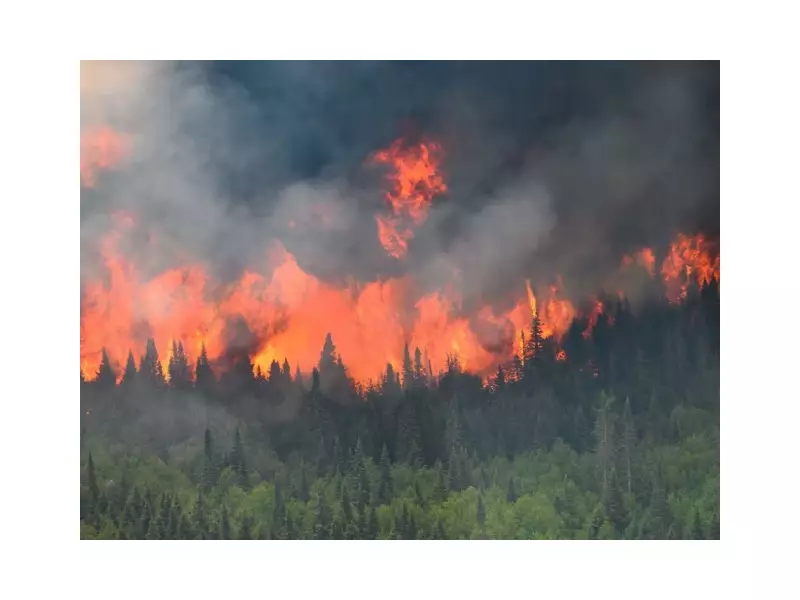
The Northern Hemisphere is currently engulfed in an environmental emergency as devastating wildfires and record-breaking heatwaves sweep across continents, threatening vital forest ecosystems and human settlements alike.
North America's Burning Crisis
Canada continues to battle one of its worst wildfire seasons in history, with over 880 active fires reported nationwide. The situation has become so severe that international firefighting crews from multiple countries have been deployed to assist Canadian authorities. The smoke from these infernos has created hazardous air quality conditions affecting millions of residents across North America.
European Nations Under Siege
Meanwhile, Europe faces its own fiery challenges. Greece has been particularly hard-hit, with emergency evacuations ordered as flames threaten residential areas and tourist destinations. The extreme heat accompanying these fires has pushed temperatures to dangerous levels, creating what experts describe as a "perfect storm" for wildfire proliferation.

Global Climate Connections
Scientists point to climate change as the primary driver behind this alarming trend. Rising global temperatures, prolonged drought conditions, and changing weather patterns have created ideal conditions for wildfires to ignite and spread rapidly. The current situation demonstrates how climate impacts transcend national borders, affecting multiple regions simultaneously.
Pakistan's Vulnerability
While Pakistan may not currently face the same scale of wildfires as other Northern Hemisphere countries, the nation remains vulnerable to similar climate-induced disasters. The increasing frequency of heatwaves and changing monsoon patterns could potentially create conditions conducive to larger and more destructive wildfires in the future.
Immediate and Long-term Consequences
The immediate impacts include:
- Mass evacuations and displacement of communities
- Severe air quality deterioration affecting public health
- Destruction of wildlife habitats and biodiversity loss
- Economic damage running into billions of dollars
Long-term consequences involve permanent ecosystem damage, carbon release accelerating climate change, and irreversible changes to forest landscapes that may never fully recover.
International Response and Cooperation
The scale of the crisis has prompted unprecedented international cooperation, with countries sharing firefighting resources, satellite monitoring data, and emergency response strategies. However, experts warn that without addressing the root causes of climate change, such fire seasons may become the new normal.
The current wildfire crisis serves as a stark reminder that climate change is not a future threat but a present reality requiring immediate global action and coordinated response strategies.